

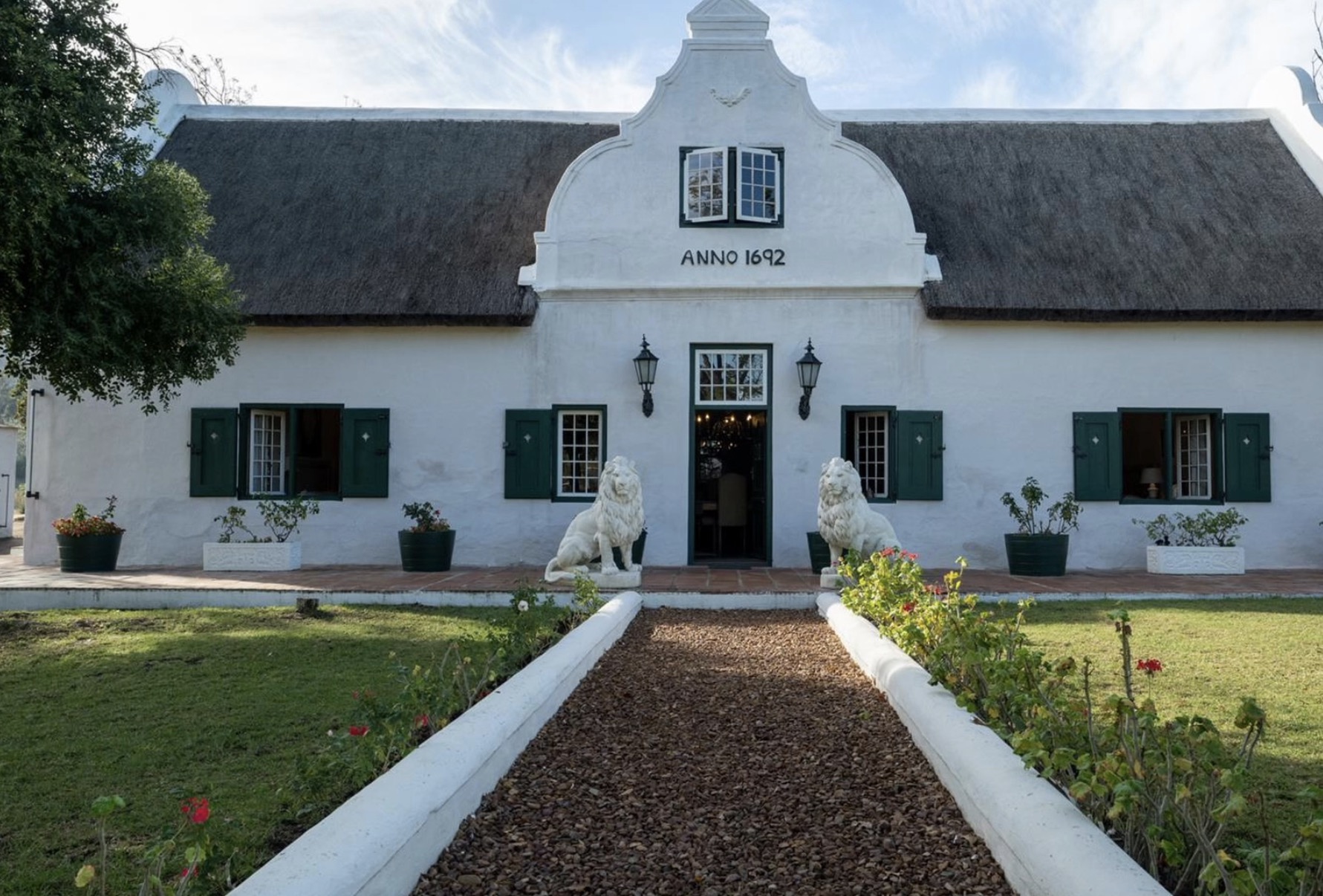
To conclude our first week of Paarl Founders Month, we visited several of the earliest farms granted to Dutch and French settlers during the late 1600s.
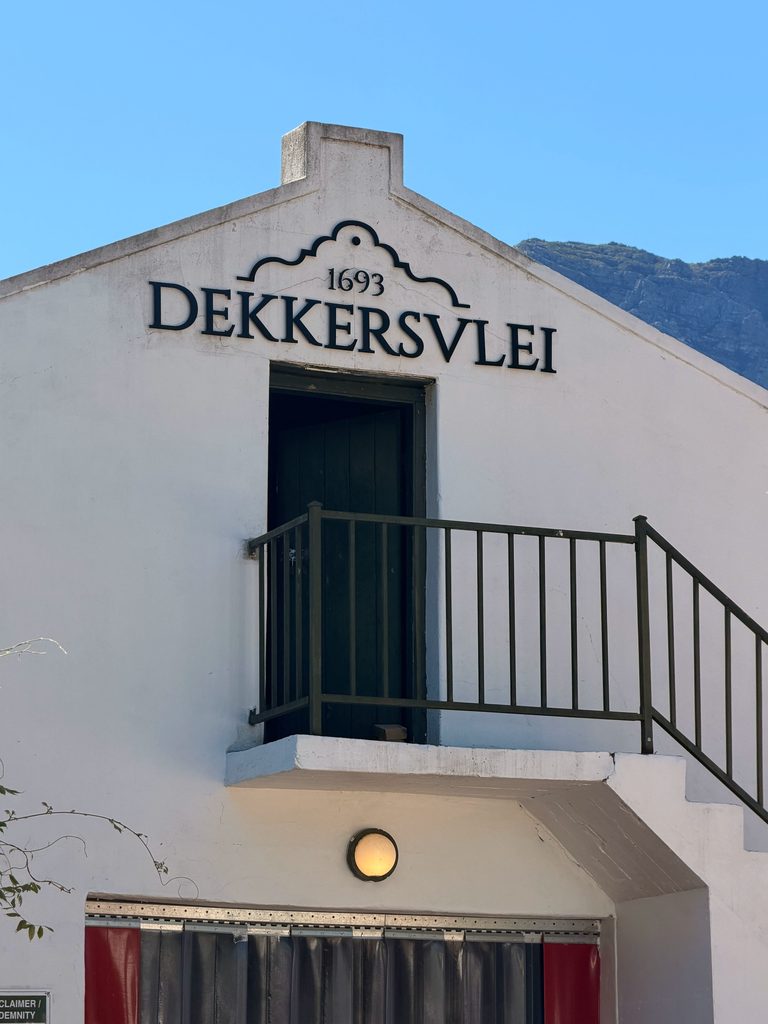
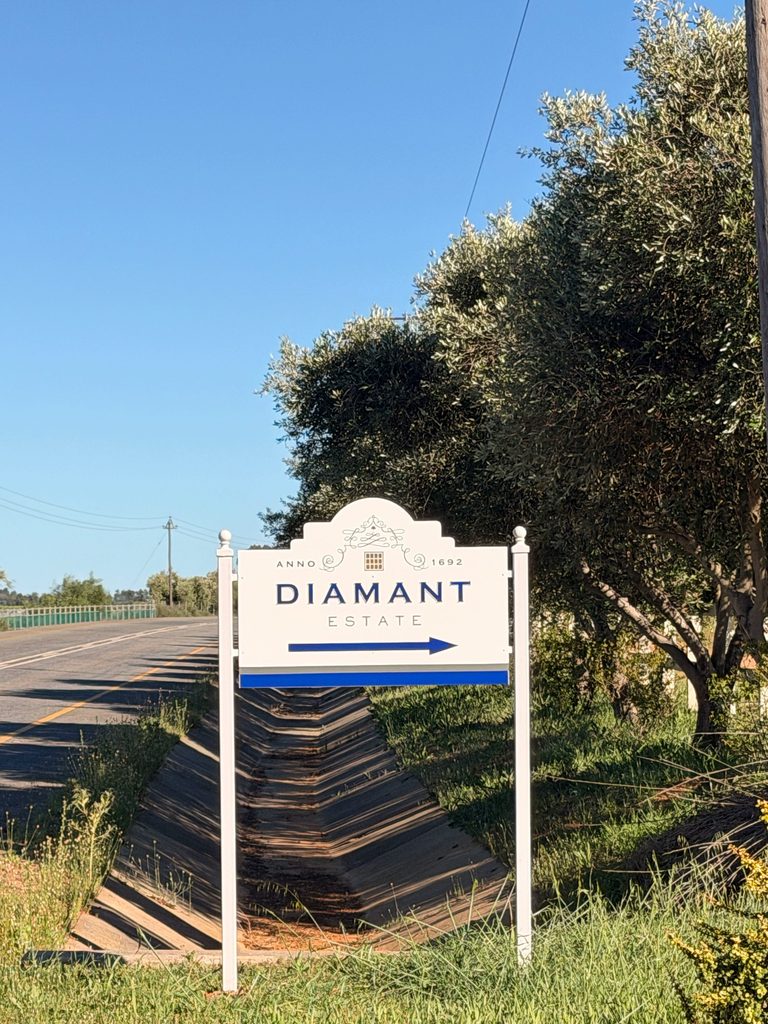
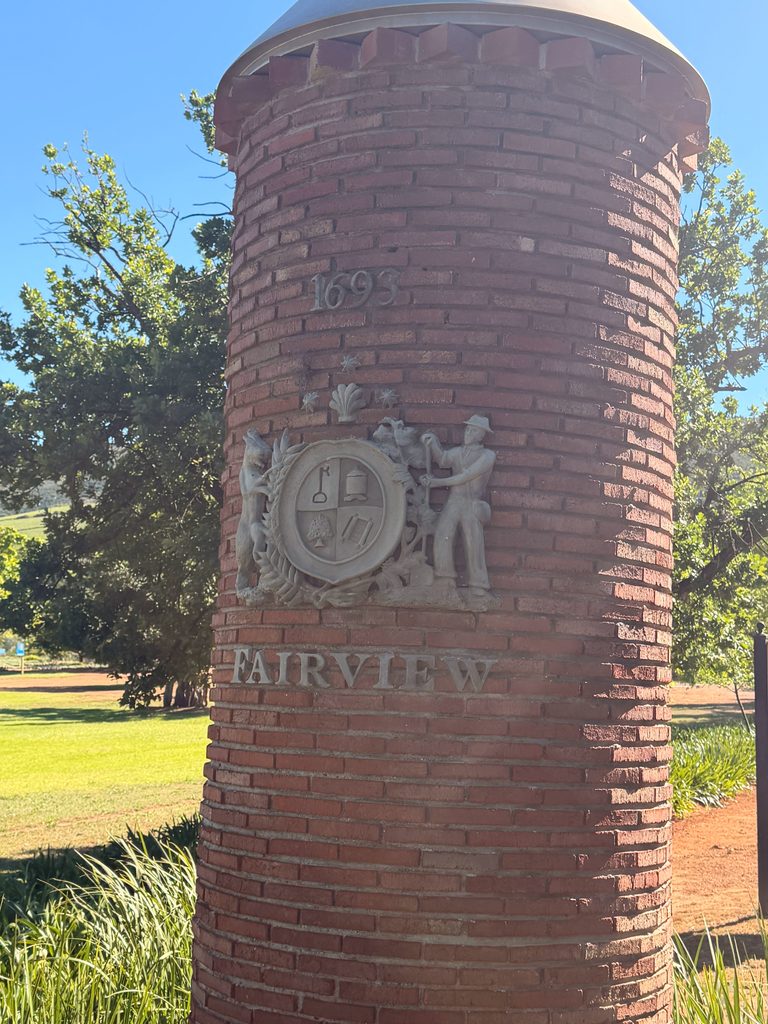
Our mission was simple: could we still find anything in Paarl today that dates back to the 17th century?
Of course, more than 300 years have passed, and many of the original farmhouses and structures have long since disappeared, been rebuilt or altered. But we were hoping to find some evidence of those early beginnings, whether through dates on buildings, entrance gates, old farm names or other historical features.
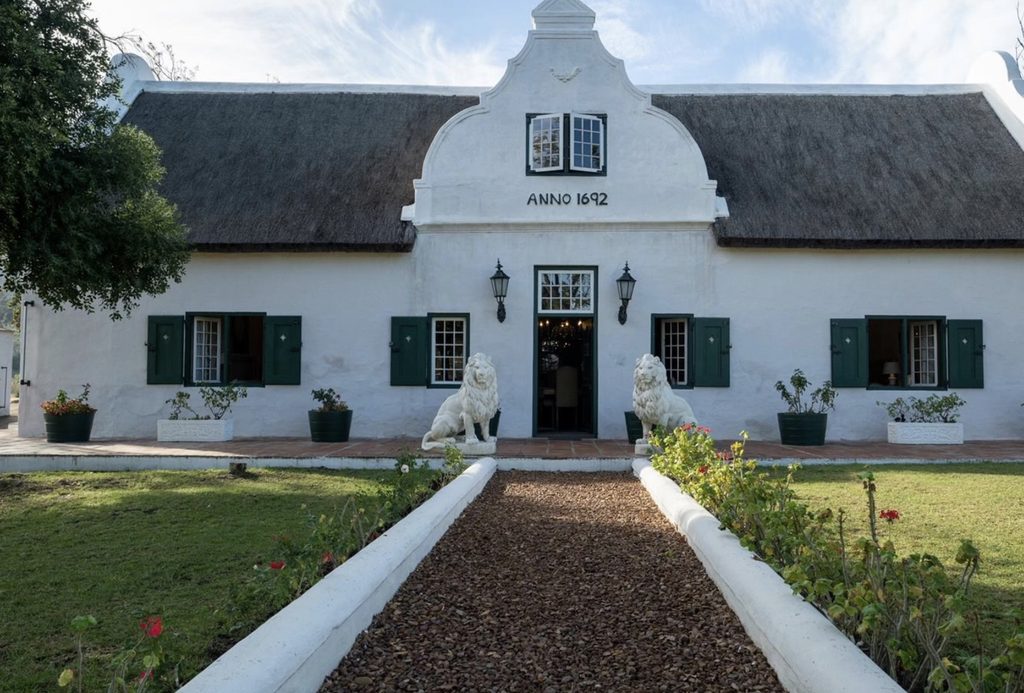
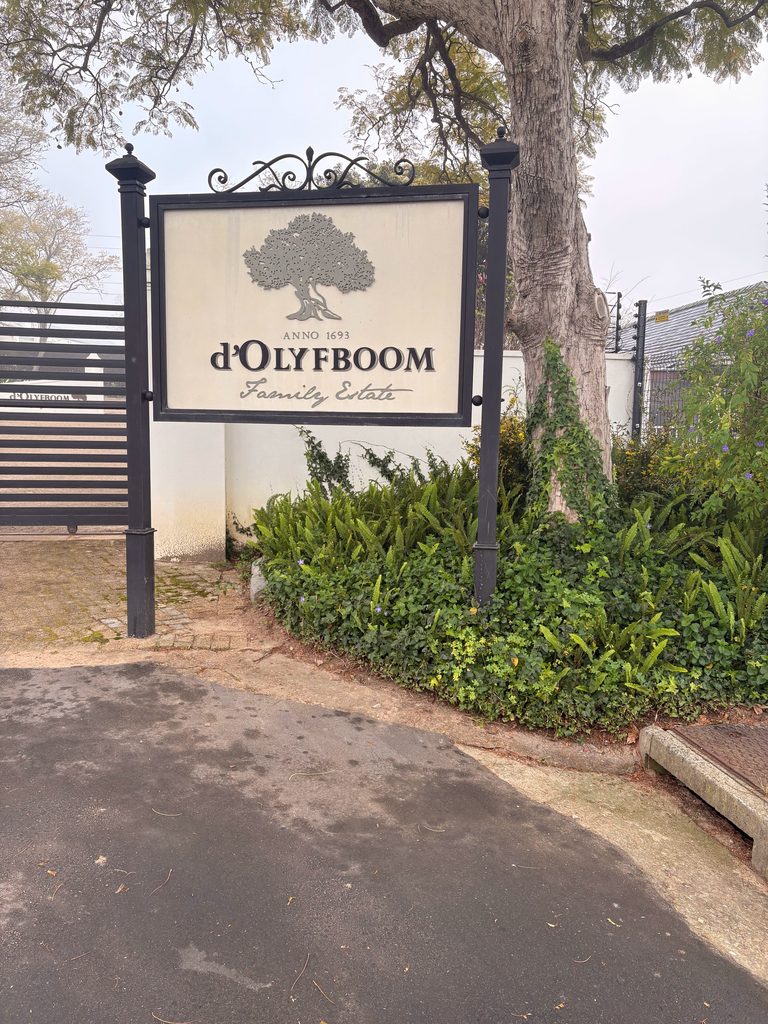
We managed to find a few dates on Fairview, Diamant, Kleinbos, Olyfboom and Dekkersvlei farms, reminding us just how much of Paarl’s early history is still hidden in the farms and properties around us. If you know of any other farms, please let us know.
By the end of the 1600s, Paarl looked nothing like the town we know today.
There was no Main Road lined with shops, no bustling town centre and no established industries. The landscape consisted largely of farmland, scattered homesteads, grazing land, vineyards and cultivated fields, with the Berg River running through the valley.
By the end of the 1600s, farms were being established, planting crops and vines, keeping livestock and beginning to transform the valley’s agricultural landscape.
But this was only the beginning.
THE NEXT CHAPTER: PAARL IN THE 18TH CENTURY (1700–1800)
Next week, we move into the 1700s, a century that would begin shaping Paarl into something much more than a collection of farms.
We will explore the establishment of Paarl’s first church congregation, the growth of vineyards and wine production, the expansion of wheat farming, orchards and livestock farming, and the emergence of trades such as milling, wagon-making, blacksmithing and other services supporting the farming community.
As agriculture expanded, so did the need for roads, transport, places of worship, skilled craftsmen and trade.
We will also look at the people who lived and worked in the valley, including farmers, enslaved labourers and Khoikhoi communities, whose experiences were very different but whose histories are all part of Paarl’s story.
And perhaps most exciting of all, we will investigate which buildings, farms and historical landmarks from the 1700s can still be found in Paarl today.
How did a valley of scattered farms begin developing into the town we know today?
Where did people gather, worship and trade? And what would Paarl have looked like 250 to 300 years ago?
Join us next week as we travel back to the 18th century and discover how Paarl began to grow.
#paarlhistory #proudlypaarl