

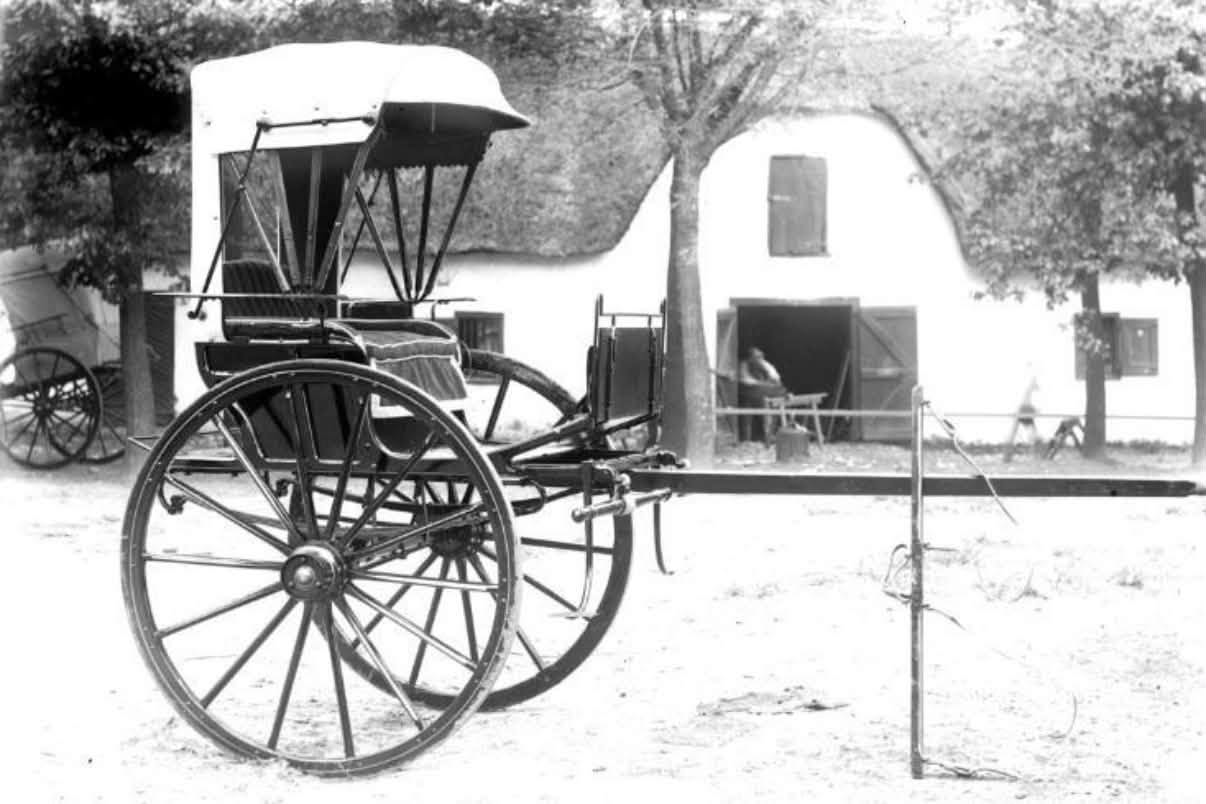
Did you know that Paarl was once one of the largest wagon-manufacturing centres in South Africa, with wagons built right here in our town being transported across the country and even exported overseas?
Today we know Paarl for its wine farms, beautiful mountains and historic buildings. But during the 1800s, Paarl was also famous for something completely different – building wagons!
Where it all started
Wagon building in the Drakenstein Valley dates back to the 1700s, when farmers and travellers depended on ox-wagons and horse-drawn carts to transport people, produce and goods.
Initially, wagons were built by skilled craftsmen working in small workshops, often in the backyards of residential properties.
One of these early wagon-building areas was known as Droëriem, between today’s Oranje and Kloof Streets, where carpenters, blacksmiths and wagon decorators worked together.
But everything changed during the second half of the 1800s!
The discovery of diamonds near Kimberley in 1867, followed by gold on the Witwatersrand in 1886, created an enormous demand for transport.
Thousands of people headed inland in search of fortune, and they needed wagons to carry everything from mining equipment and food to furniture and building materials.
And Paarl was ready to supply them!
At the height of the wagon-building boom, historical accounts suggest that the Paarl and Wellington area had as many as 87 wagon-making businesses, supporting more than 4,000 workers, including subcontractors.
Imagine that!
The industry created employment for blacksmiths, carpenters, wheelwrights, painters, upholsterers, leatherworkers, harness makers and many other skilled craftsmen.
Some worked in large factories, while others operated from small workshops and their homes.
Among the best-known manufacturers were J.F. Phillips & Co. and Retief, De Ville & Co.
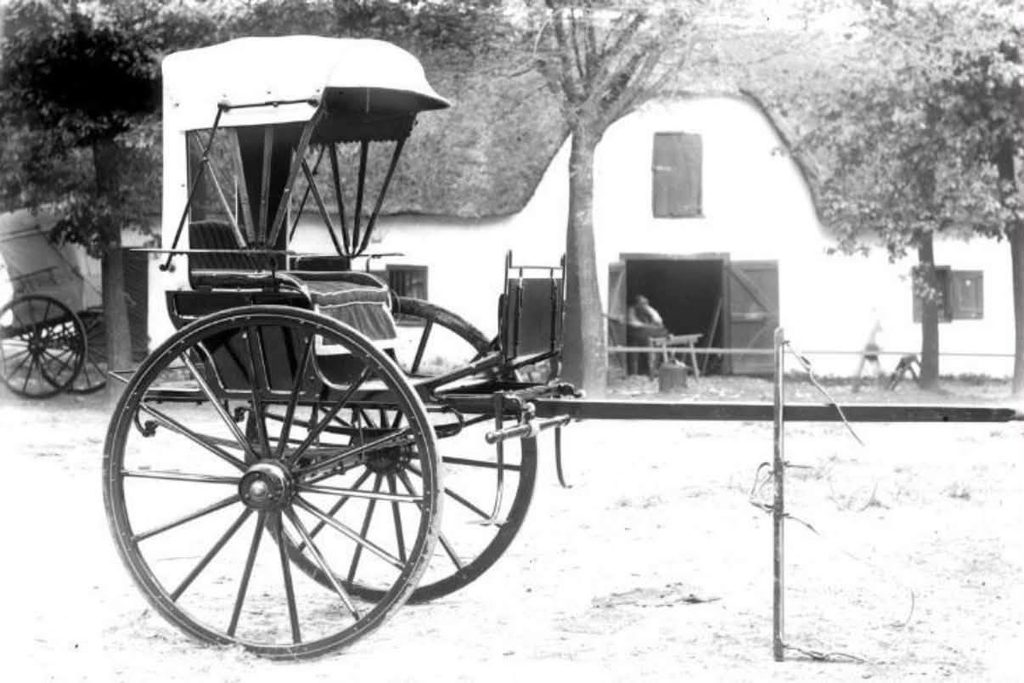
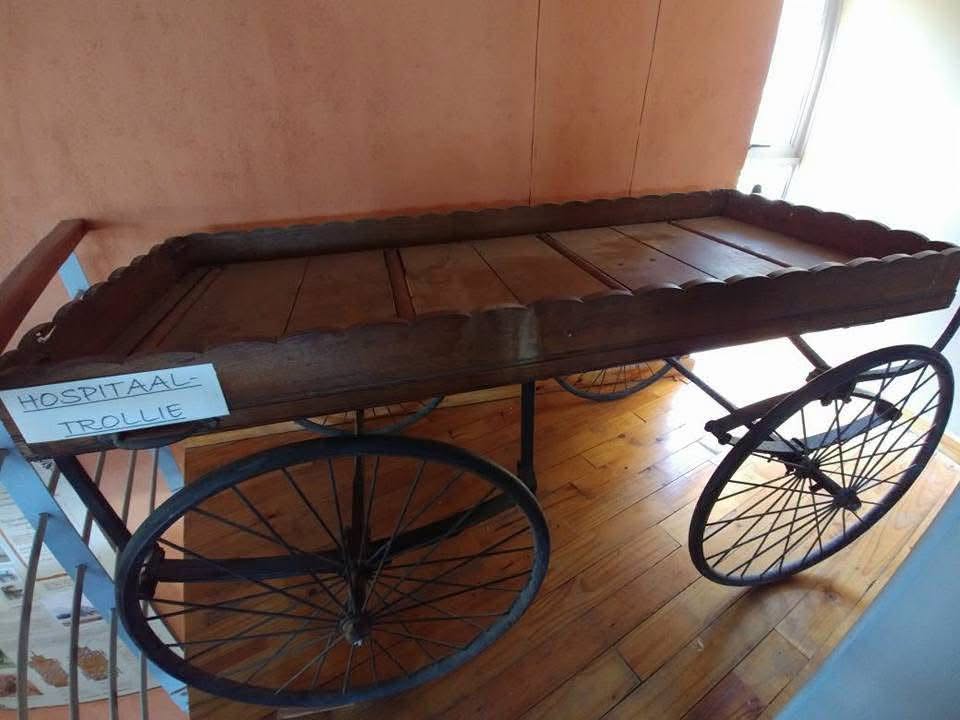
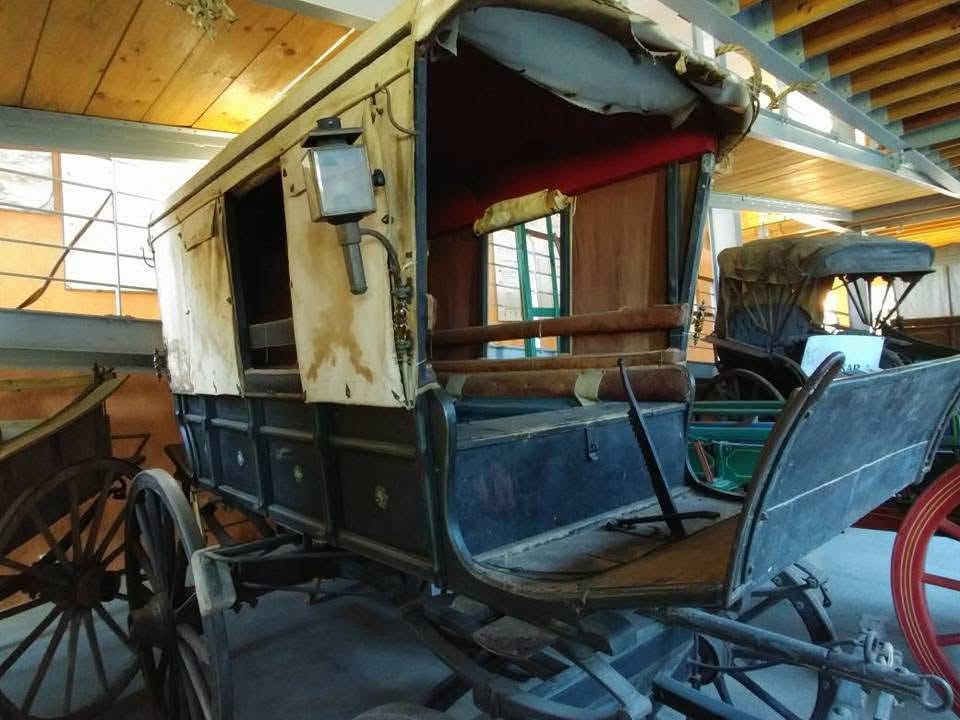
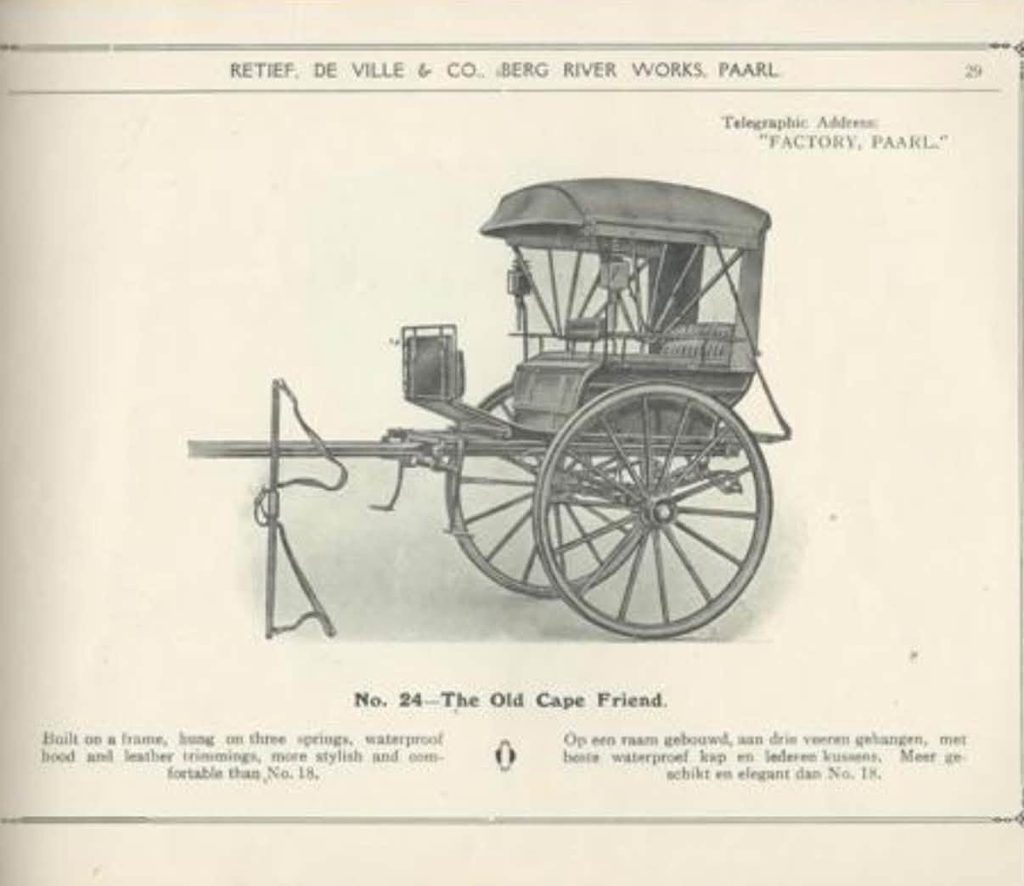
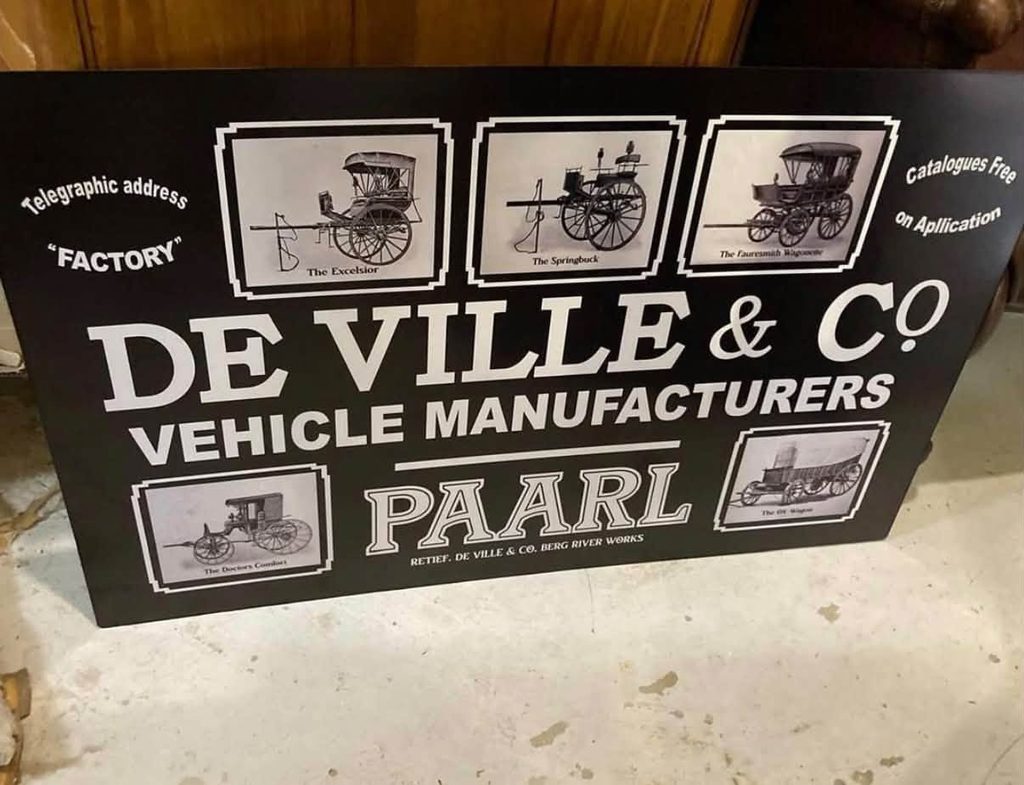
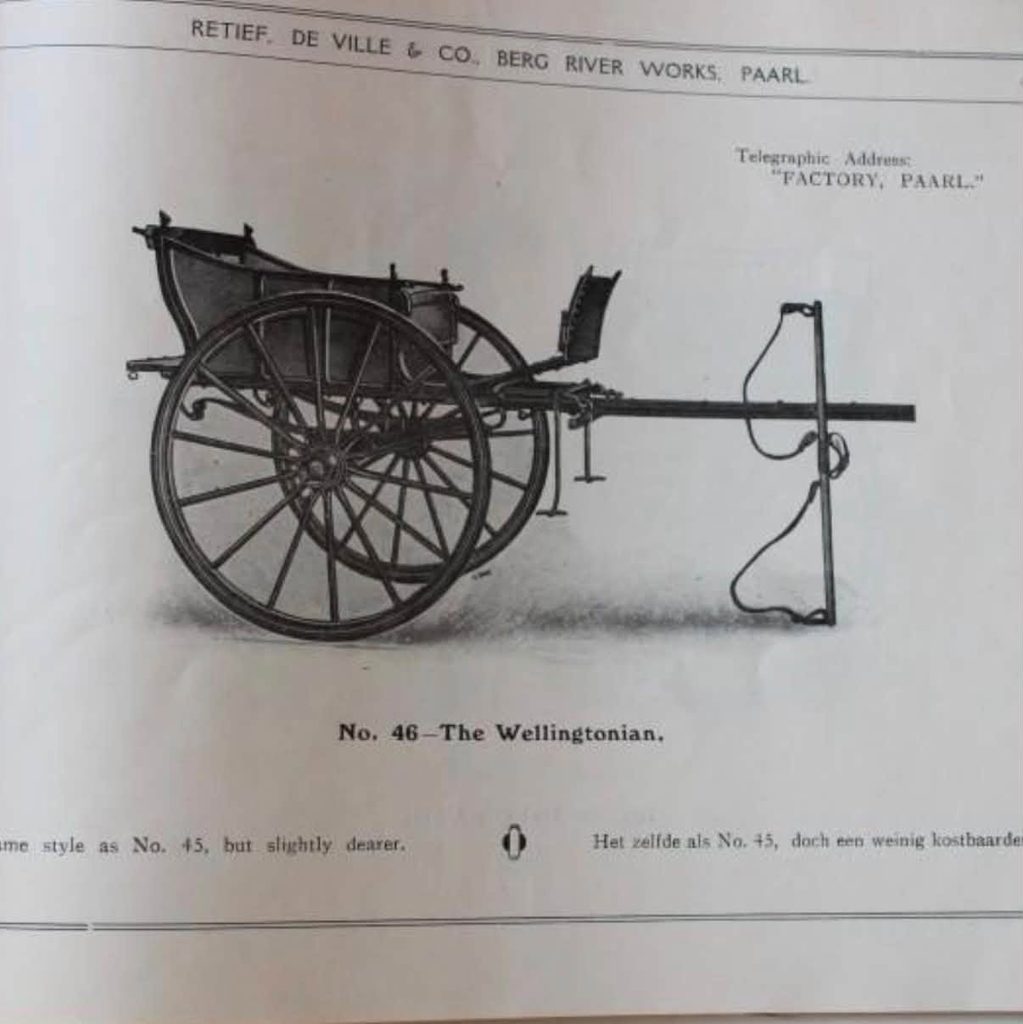
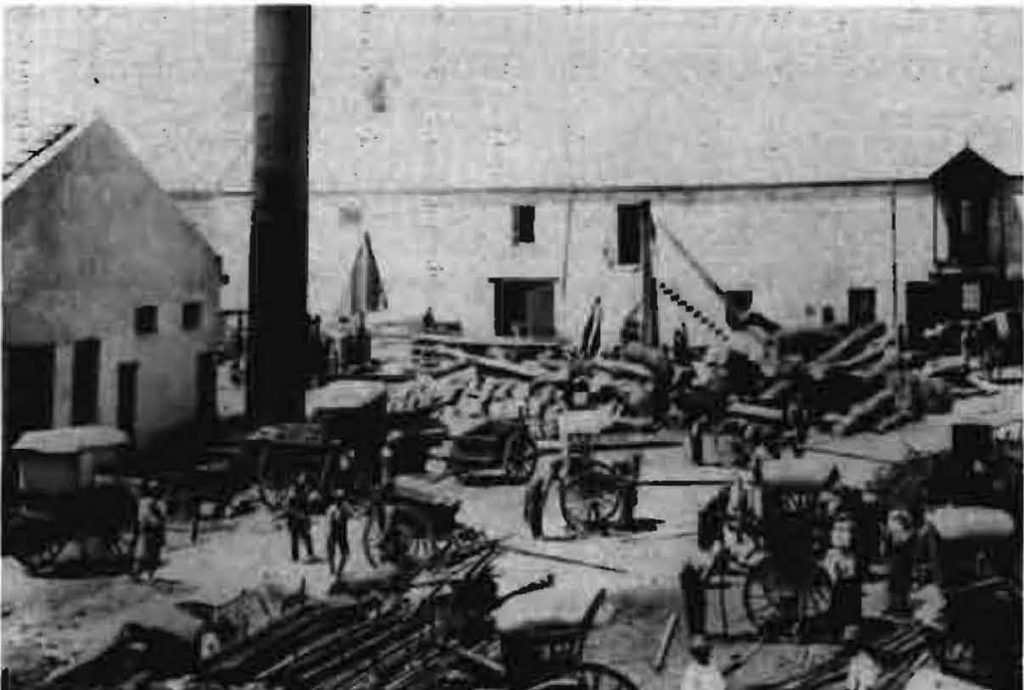
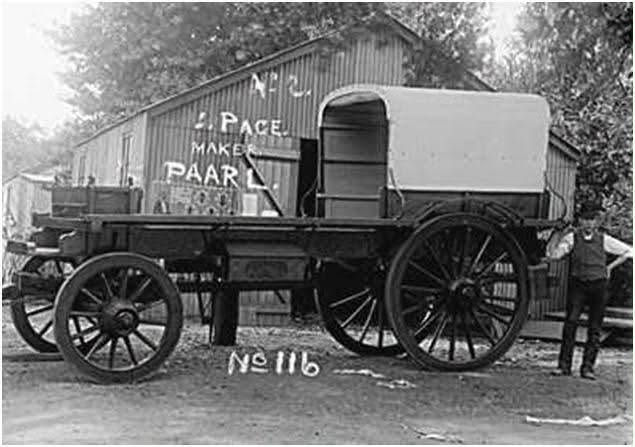
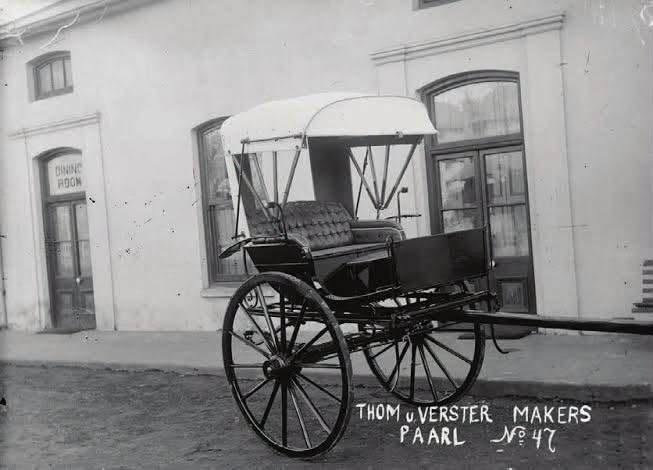
As demand increased, manufacturers introduced steam-powered machinery, transforming what had largely been a handmade trade into a major manufacturing industry.
Paarl even became associated with an early 24-hour wagon production line!
One of the most remarkable things about the industry was the variety of vehicles manufactured.
Retief, De Ville & Co. reportedly offered as many as 91 different models!
These included heavy ox-wagons, Cape carts, delivery wagons, ambulances, elegant carriages and smaller horse-drawn vehicles.
And some had rather interesting names!
The Judge, The Transvaaler, The Scotchman, The Freestater, The Doctor’s Buggy, The Hunter, The Spartan, The Caledonian, The Reliance and The Kroonstad Wagonette were just some of them.
There was practically a wagon for every occasion!
Paarl-built wagons developed an international reputation for their quality and durability.
They were designed to withstand South Africa’s challenging roads and terrain, with some models capable of being dismantled and reassembled for difficult journeys.
The industry became so successful that wagons were exported overseas.
One particularly extraordinary historical account even records orders associated with Italian dictator Benito Mussolini, decades after the original wagon-building boom.
The industry’s manufacturing expertise also reportedly contributed to the production of artillery carriages used during the Second World War.
Quite remarkable for a town like Paarl!
Early wagon building took place around Oranje and Kloof Streets, while later workshops and associated craftsmen were found in areas around Plein, Moll, Loop, Koning, Bosch and Boom Streets.
Retief & De Ville’s factory has been historically associated with the corner of Lady Grey and Breda Streets, while J.F. Phillips operated in Fabriek Street.
Imagine what these streets must have sounded like 130 years ago, with hammers striking anvils, saws cutting timber, craftsmen shaping wooden wheels and wagons rolling out of workshops!
I wonder how many of those original buildings are still standing today?
The end of an era
The arrival of motor vehicles during the early 1900s gradually changed everything.
As cars and trucks became more common, demand for traditional horse-drawn vehicles and ox-wagons declined.
Some manufacturers adapted, but many of the workshops and factories eventually closed.
An industry that had helped build Paarl’s economy for generations slowly disappeared.
Fortunately, some of this remarkable history was preserved.
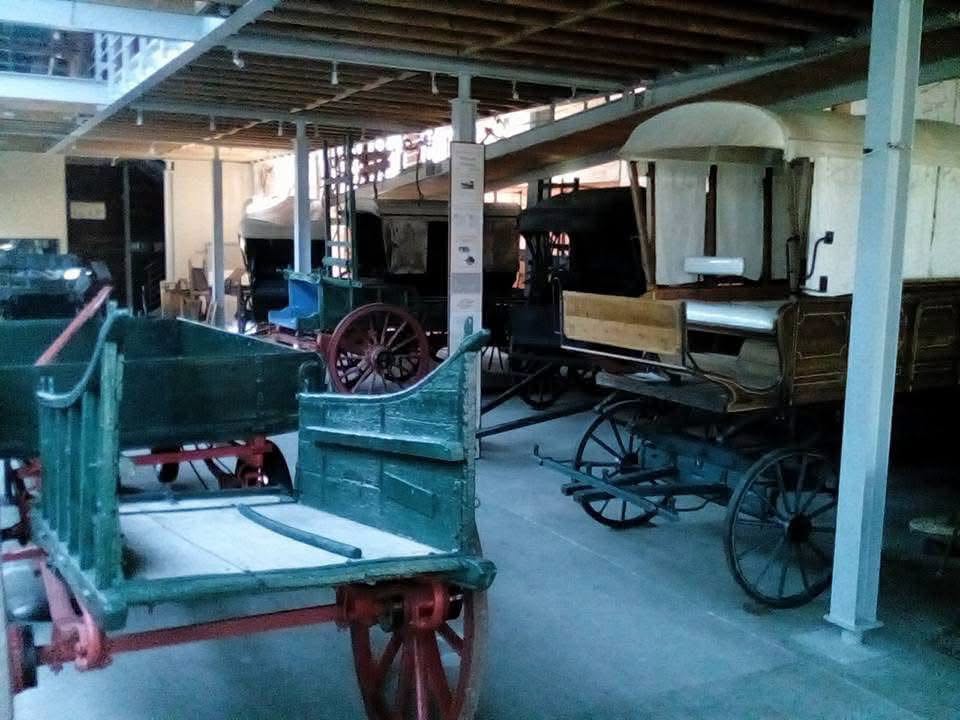
A while back, I visited the De Poort Heritage Museum in Paarl, where I saw original wagons, old manufacturing tools and fascinating artefacts from this period.
It was incredible to see the workmanship and engineering that went into these vehicles more than a century ago.
Help us uncover more about Paarl.
I would love to find old photographs of Paarl’s wagon factories, workshops, workers and the actual wagons manufactured here.
Or perhaps you know of an old building in Paarl that was once a wagon workshop?
This is another fascinating chapter of Paarl’s history that deserves to be remembered!