

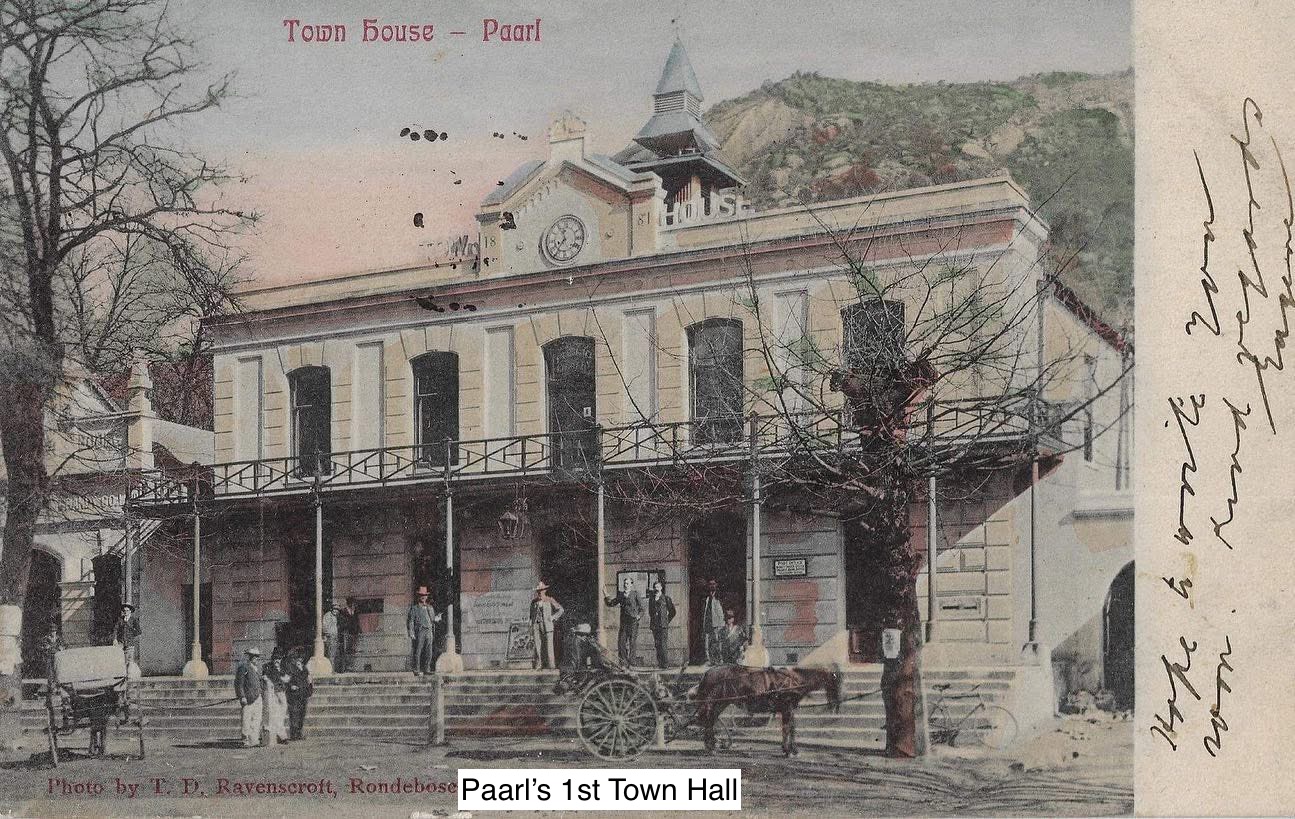
Welcome to the third instalment of our Founders Month series, where we explore the history of Paarl, century by century.
Researching his period of Paarl history is possibly the most difficult task to date. So much happened in the 1800s that made it very difficult to do a write up and cover all the signicant events, as well as verifying the dates of all the photos and images I found. It was difficult – but here it is.
If you think Paarl changed significantly during the 1700s, wait until you see what happened during the 1800s!
By the beginning of the 1800s, Paarl had already been settled by European farmers for more than 100 years. Vineyards, wheat fields, livestock farms and Cape Dutch homesteads were scattered along the valley beneath Paarl Mountain.
But Paarl was about to undergo an extraordinary transformation.
Over the next 100 years, churches and schools would be established, new roads and businesses would develop, the railway would arrive, and Paarl would become one of the Cape’s most important wagon-manufacturing centres.
Let’s explore what life was like in Paarl between 1800 and 1900!
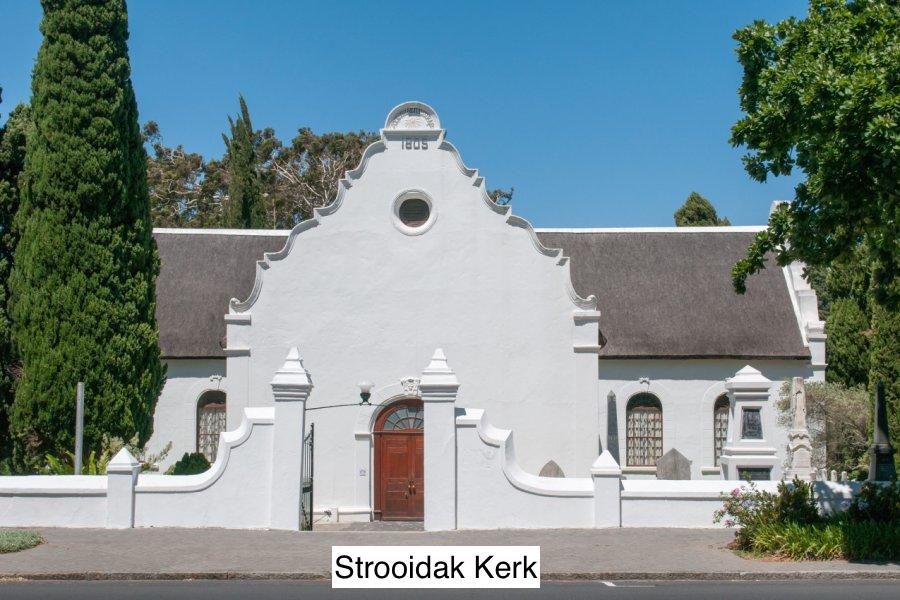
1805 – The Strooidakkerk
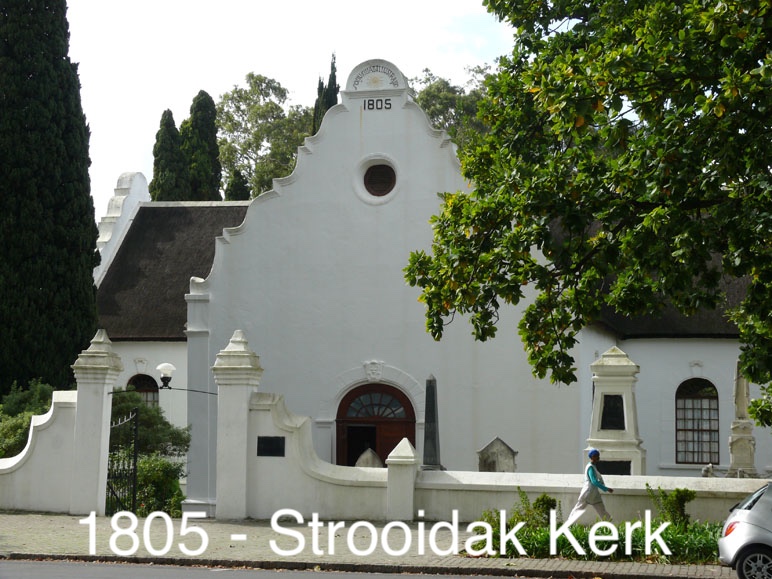
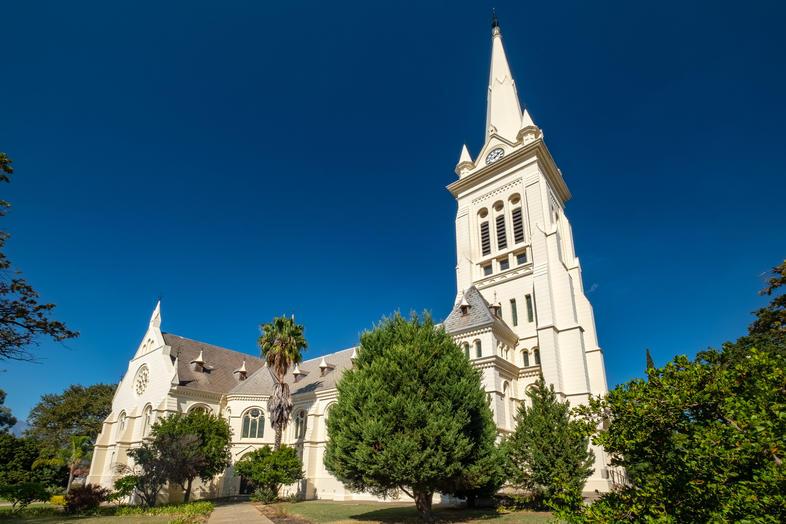
We start our journey at one of Paarl’s most recognisable historical landmarks, the beautiful Strooidakkerk in Main Road.
Although the congregation had existed since 1691 and an earlier church had served the community during the 1700s, the present Strooidakkerk was officially inaugurated on 28 April 1805.
Remarkably, more than 220 years later, the church is still standing and remains in use today!
Imagine Paarl in 1805. No motor vehicles, electricity or modern shopping centres. People travelled on horseback, on foot or by ox wagon. The church was not only a place of worship but also an important gathering point for the surrounding farming community.
Who lived in Paarl during the 1800s?
Paarl’s population was becoming increasingly diverse.
The descendants of the original Dutch settlers and French Huguenots continued farming the valley. British settlers, merchants and tradespeople also became part of the growing community.
The Khoikhoi and their descendants remained an important part of the population, although colonial expansion had resulted in the loss of much of their ancestral land and independence.
There were also enslaved people brought to the Cape from Madagascar, Mozambique, India, Indonesia and other parts of Africa and Asia, together with their descendants born at the Cape.
These men and women worked on farms, in households, in workshops and in construction, contributing enormously to
Paarl’s development.
One of the most significant events of the century was the abolition of slavery in 1834. However, formerly enslaved people were required to serve a further four years of compulsory apprenticeship before this system ended in 1838.
The growth of religion and education
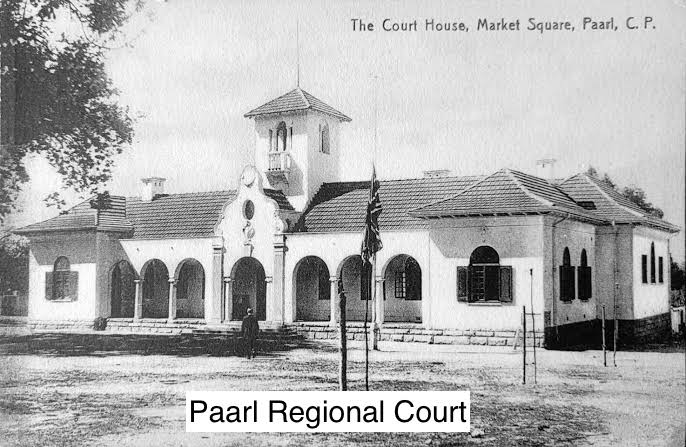
Religion played a central role in the development of Paarl during the 1800s.
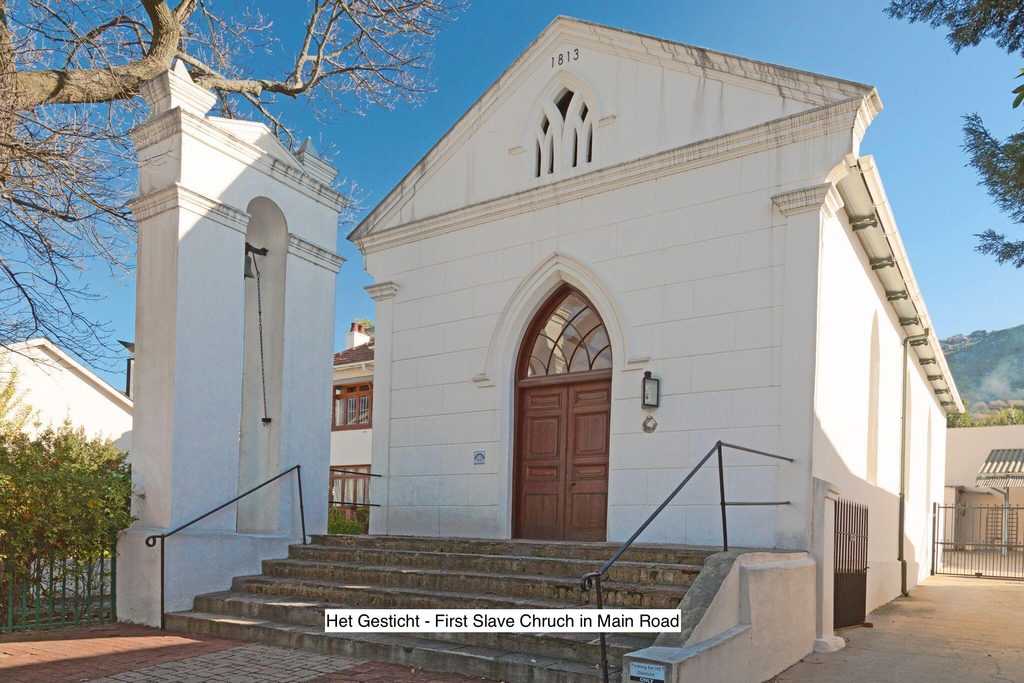
In 1813, Het Gesticht was established as a place of religious instruction and worship, particularly for enslaved people and other members of the community who were excluded from many established institutions. Eventually, Het Gesticht could no longer accommodate the growing congregation, leading to the development of the larger Zion Church. This marked an important chapter in Paarl’s religious history and reflected the growth of an established Christian community among people who had previously been enslaved and their descendants.
As Paarl grew, so did its churches, congregations and schools.
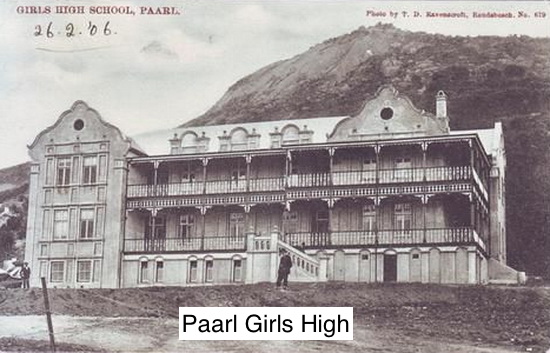
In 1858, Reverend G.W.A. van der Lingen established Paarl Gymnasium, an institution that would become one of the town’s most recognised educational landmarks.
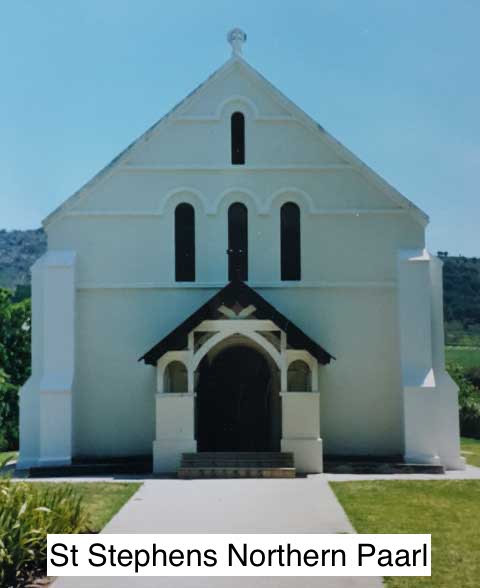
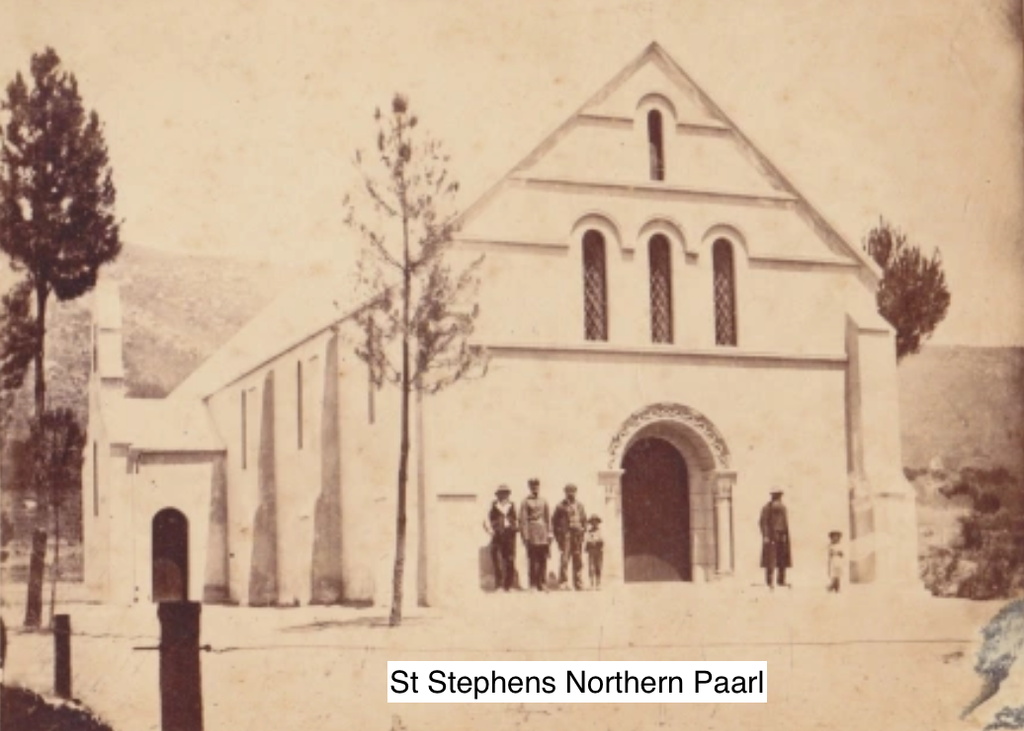
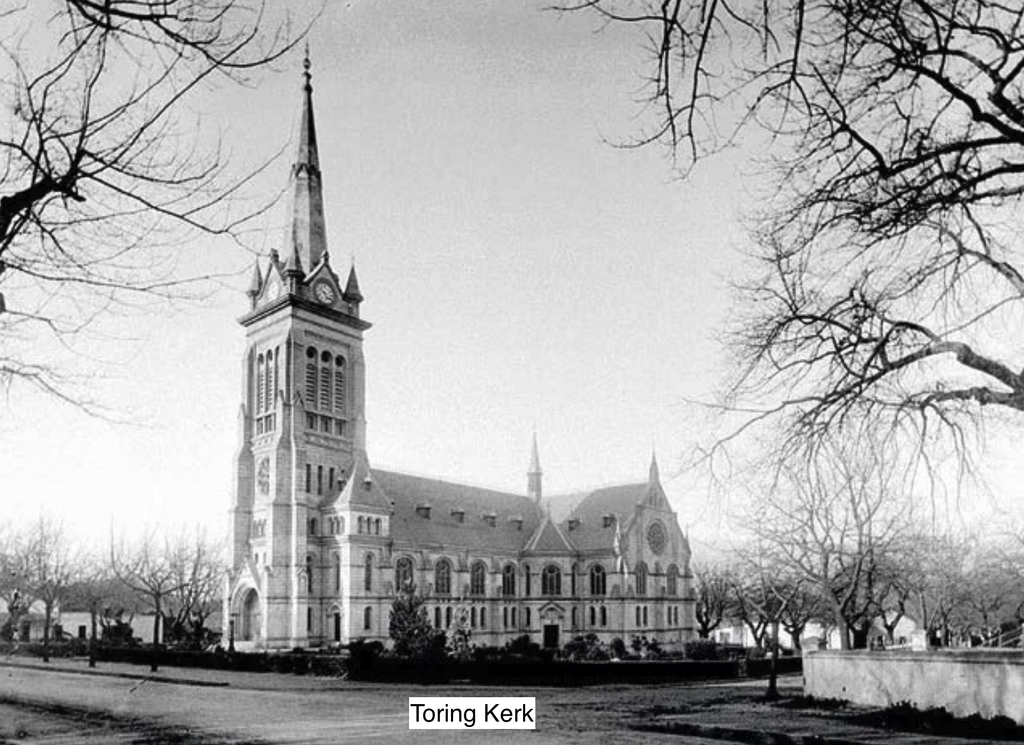
In 1875, the Noorder-Paarl Dutch Reformed congregation was established, marking another important chapter in the town’s religious development and the history of the Toringkerk.
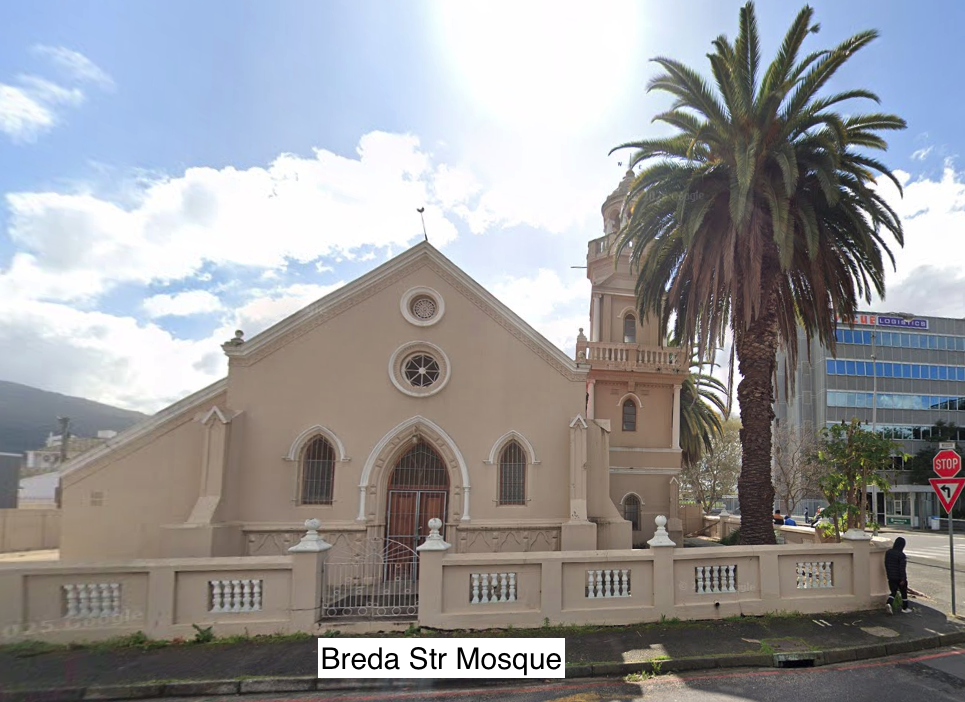
Paarl’s Muslim community also grew during the 1800s, particularly following emancipation. Many families traced their ancestry to enslaved people and political exiles brought to the Cape through the Indian Ocean trading networks.
In 1888, the Breda Street Mosque was established, recognised as Paarl’s first mosque.
These religious institutions remind us that Paarl’s history was shaped by communities of different backgrounds, beliefs and traditions.
The rise of Paarl’s tradesmen
Now this is where Paarl’s history becomes particularly fascinating!
As the town grew, so did the demand for skilled tradesmen.
Imagine walking along Main Road in the mid-1800s.
Instead of motor dealerships, supermarkets and restaurants, you might have encountered blacksmiths hammering hot iron, carpenters working with timber, cobblers repairing shoes, tailors making clothing and wagon builders constructing vehicles by hand.
Paarl’s trades included:
• Blacksmiths, producing horseshoes, tools and iron fittings.
• Carpenters and joiners, manufacturing furniture, doors, windows and building components.
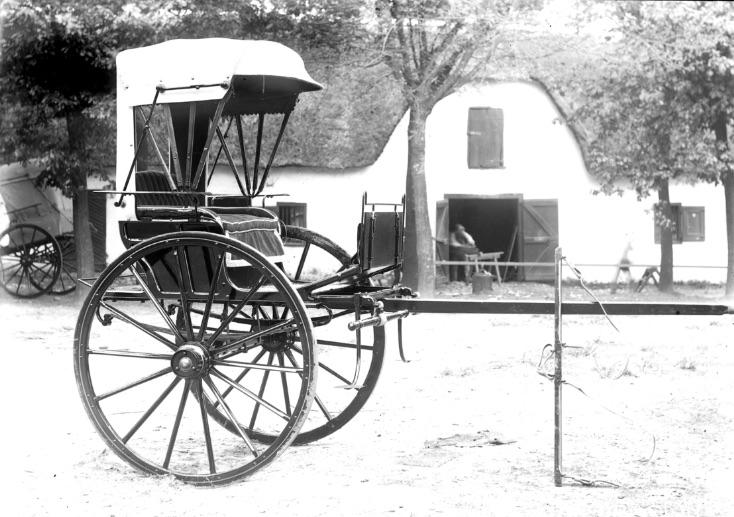
• Wheelwrights and wagon builders, producing wheels, carts and transport wagons.
• Tanners and leatherworkers, preparing leather for harnesses, saddles and other goods.
• Coopers, making wooden barrels for the wine industry.
• Masons and builders, constructing homes, churches and commercial buildings.
• Bakers, butchers, shopkeepers, millers and other tradespeople serving the growing population.
Many of these businesses were small family operations, with skills passed from one generation to the next.
But one industry would put Paarl on the map.
Paarl becomes a wagon-building powerhouse!
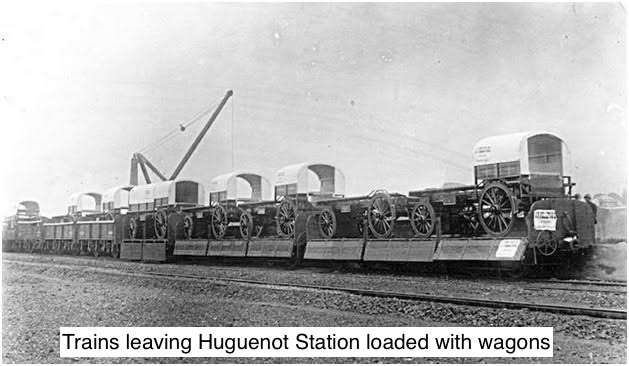
During the second half of the 1800s, Paarl and neighbouring Wellington became major centres of wagon and carriage manufacturing.
Before motor vehicles, wagons were essential for moving people, supplies, equipment and agricultural products over long distances.
And Paarl was exceptionally good at building them!
At the height of the industry, historical accounts suggest that the Paarl and Wellington area supported approximately 87 wagon-making factories or businesses, employing more than 4,000 people, including subcontractors – Just imagine the activity!
Blacksmiths forging iron, carpenters shaping timber, wheelwrights assembling wheels, leatherworkers making harnesses and painters applying the finishing touches.
Some manufacturers introduced steam-powered machinery to increase production.
Paarl was no longer simply a farming community. It had become an important manufacturing centre!
The history of this industry is still remembered through De Poort, an important heritage precinct associated with Paarl’s wagon-making past.
1863 – The railway arrives!
Another enormous milestone was the arrival of the railway in 1863, connecting Paarl to Cape Town and the expanding Cape railway network.
Before the railway, transporting goods to Cape Town could be a slow and difficult journey by wagon. The arrival of trains transformed the movement of agricultural produce, manufactured goods and passengers.
It also encouraged further commercial and industrial development. Interestingly, the railway did not immediately bring an end to wagon manufacturing. Wagons remained essential for transporting goods beyond the railway lines.
Main Road begins to change
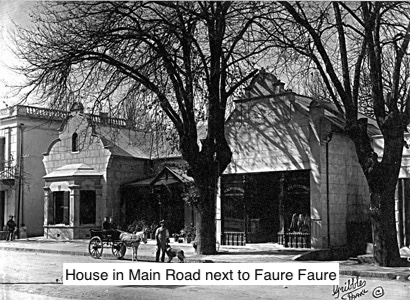
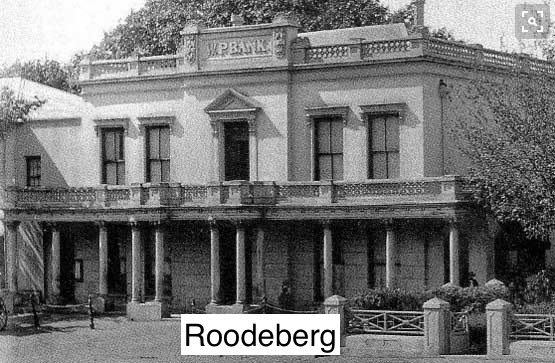
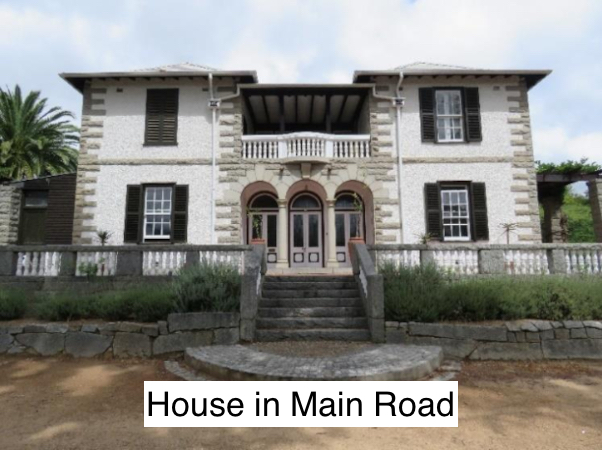
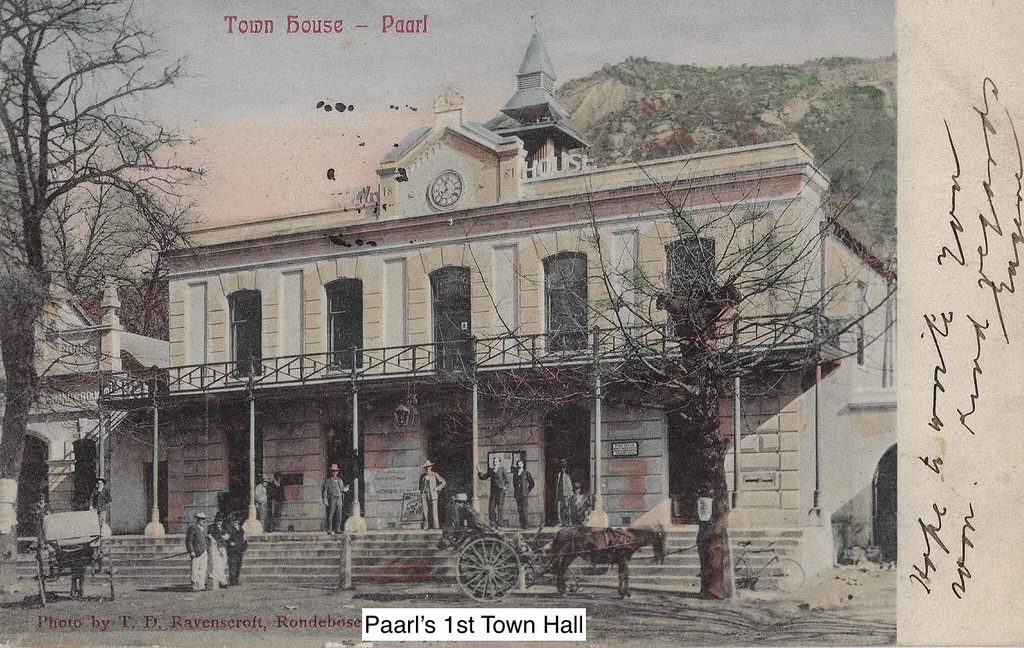
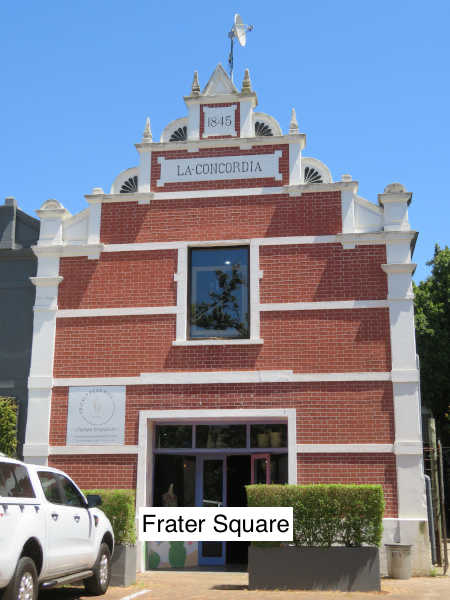
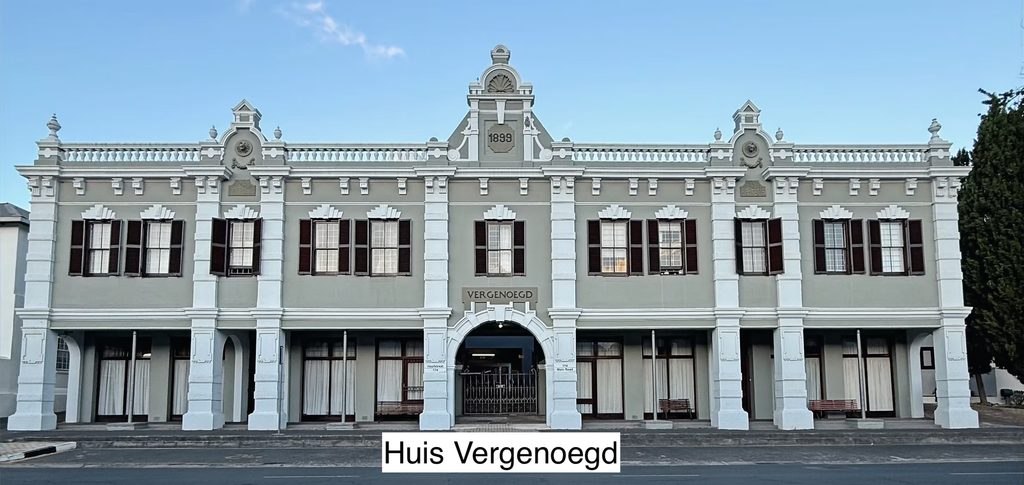
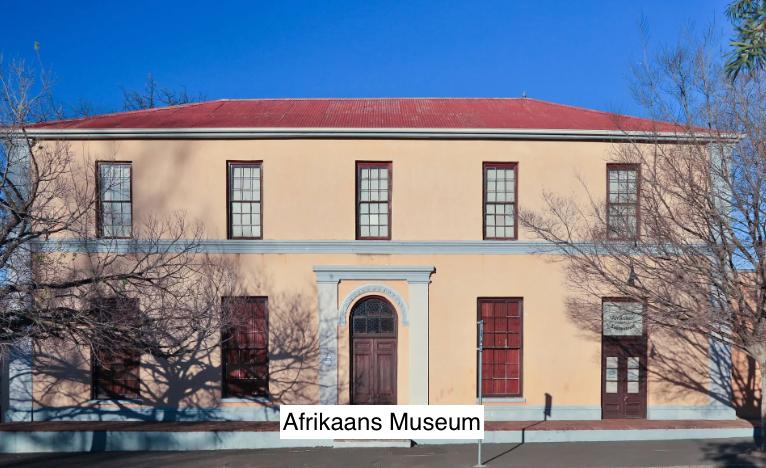
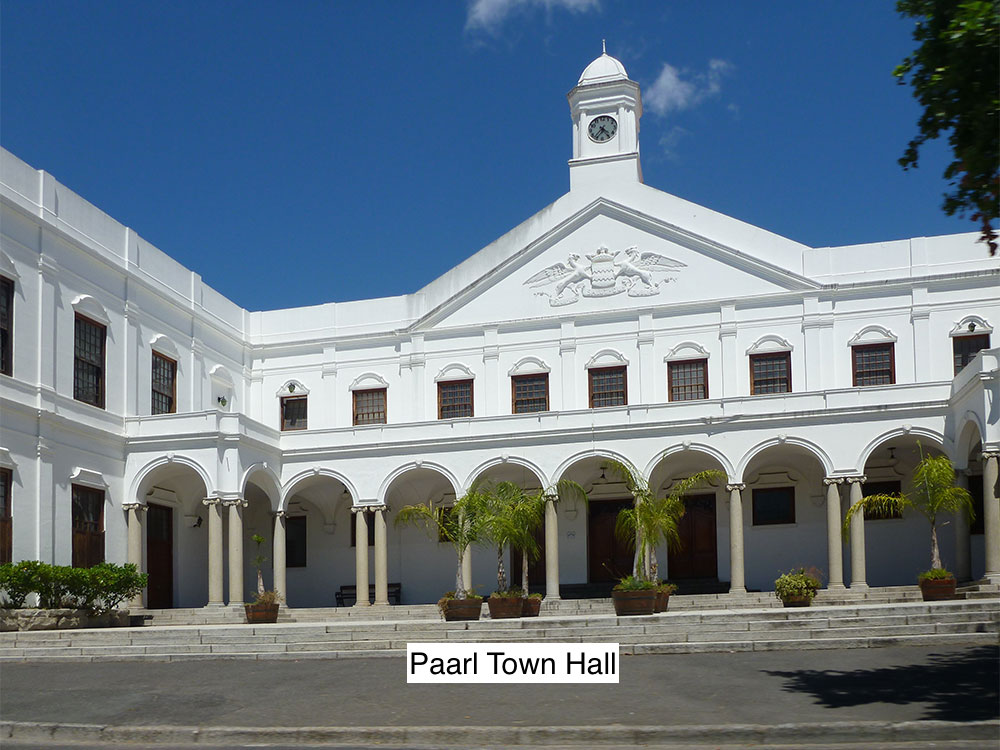
As Paarl’s economy expanded, the appearance of the town began to change. The traditional Cape Dutch architecture of earlier generations was increasingly joined by Georgian and Victorian buildings.
New houses, shops, workshops, schools and churches appeared.
Main Road became the backbone of the growing town, while streets such as Lady Grey Street, De Jongh Avenue, Meul Street, Plein Street and other historic routes developed their own residential and commercial character.
Many buildings were constructed with thick walls, timber doors, sash windows and thatched roofs. Later in the century, corrugated-iron roofs, decorative verandas, ornate façades and Victorian architectural details became increasingly fashionable.
Some of the buildings photographed for this series are more than 150 or even 200 years old, although many have been altered or restored over time.
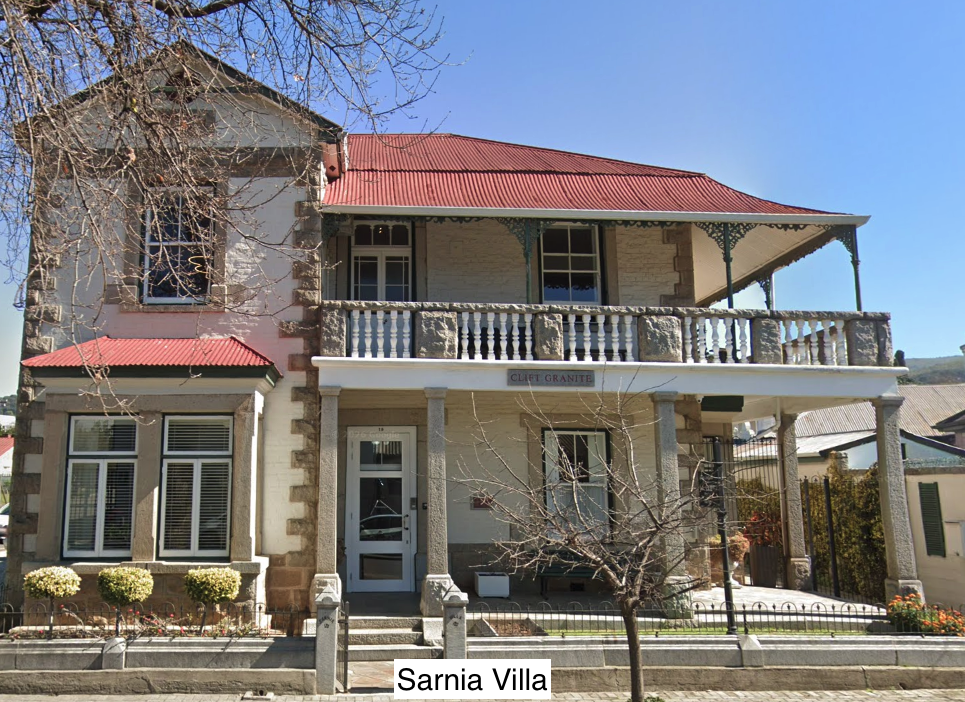
One remarkable example of late-19th-century architecture is Sarnia Villa in Concordia Street, dating to 1895, with its distinctive use of Paarl granite.
The growing granite-working industry through the Clift familywould become another important part of Paarl’s economic identity.
By 1900, Paarl was a very different place!
What had begun as a valley of farms had developed into a thriving town with churches, schools, businesses, factories, railway connections and a growing population.
The wider Paarl administrative division recorded approximately 15,600 residents in 1865. By 1891, that figure had grown to more than 21,000.
Paarl was now recognised for its agricultural production, wine, wagon manufacturing, skilled trades and growing commercial activity.
The town’s development was the work of many communities: farmers, merchants, artisans, teachers, religious leaders, labourers and families who made Paarl their home.
And although many of the original buildings have disappeared, others remain standing today, offering us a glimpse into the town’s remarkable past.
Our photographic journey
Over the past few days, we visited several of Paarl’s historic streets and buildings to photograph surviving examples of the town’s early architecture.
Some buildings date back to the 1800s, while others may have been constructed or substantially altered during the early 1900s. Establishing their exact histories is part of this ongoing project.
We would love to hear from our community!
If you have old photographs of Paarl, particularly Main Road, Lady Grey Street, De Jongh Avenue, the old wagon factories, churches, schools or businesses from before 1900, please share them in the comments.
And if you recognise any of the buildings in our photographs or know something about their history, please tell us!
Our aim with Founders Month is not simply to look at old buildings, but to understand the people, industries and events that shaped the Paarl we know today.
Next week, we enter the 1900s, a century that would bring motor vehicles, electricity, new industries, major social changes and an entirely different Paarl.
What an extraordinary journey through our town’s history!