

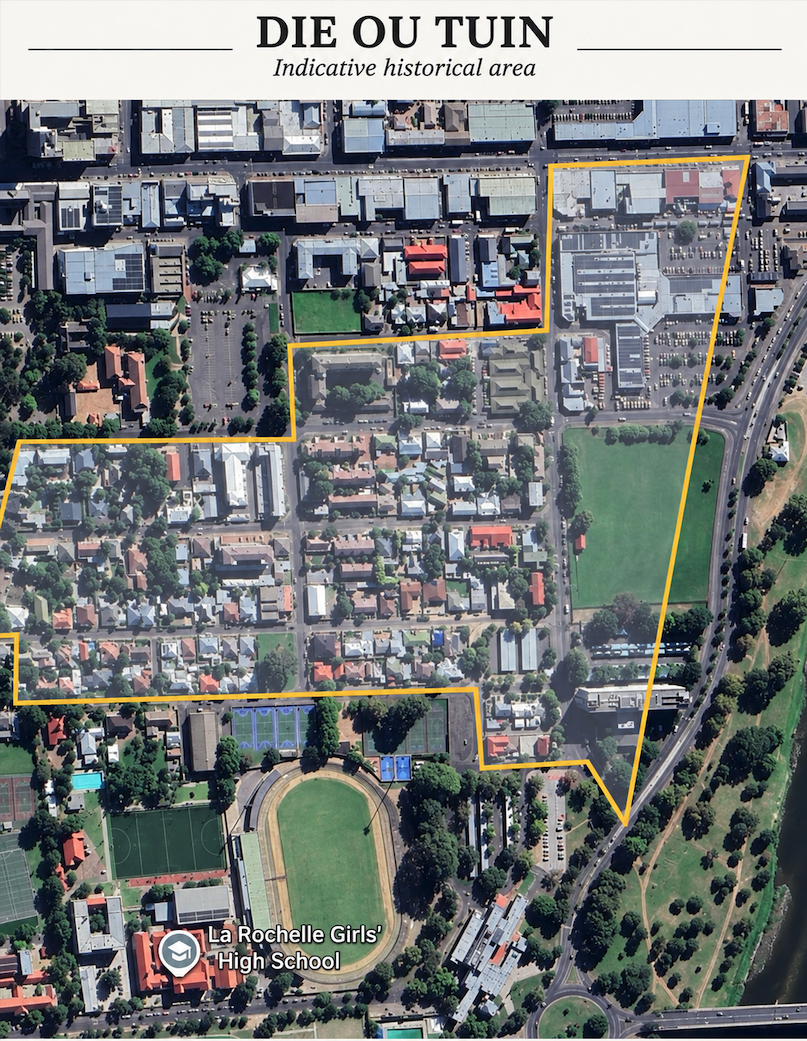
As part of history of Paarl series we found some interesting stories of Paarl’s history. One of those stories is about a community that lived in the Ou Tuin.
On a fateful day in September of 1967 I witnessed, as an impressionable sixteen year-old, how my father turned around for the last time, with tears in his eyes, to the empty shell of a building that was our home for the past sixteen years. He walked, head bowed, to the truck loaded with all our possessions, and our lives, to be transported to a place completely unknown to us – recollection from a former Ou Tuin resident.
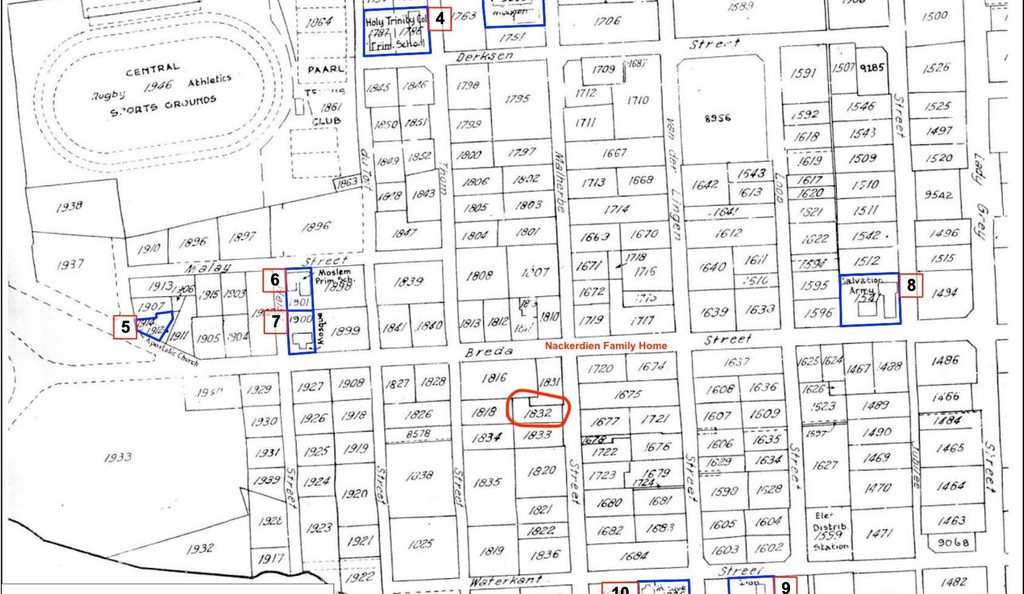
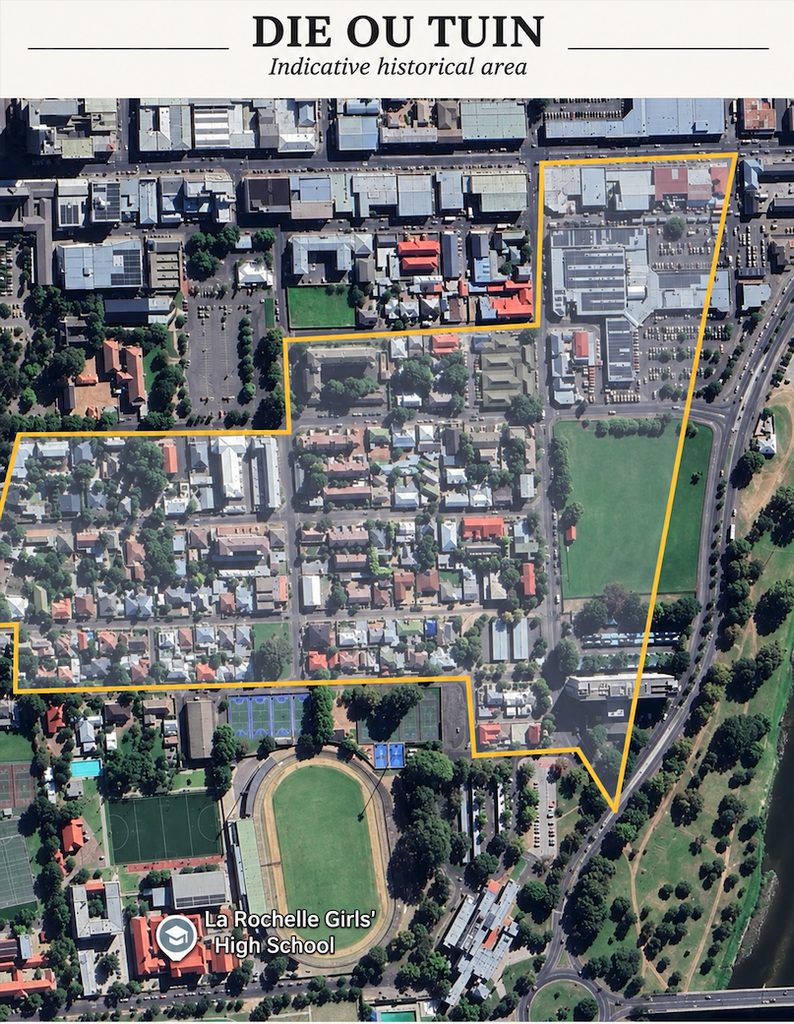
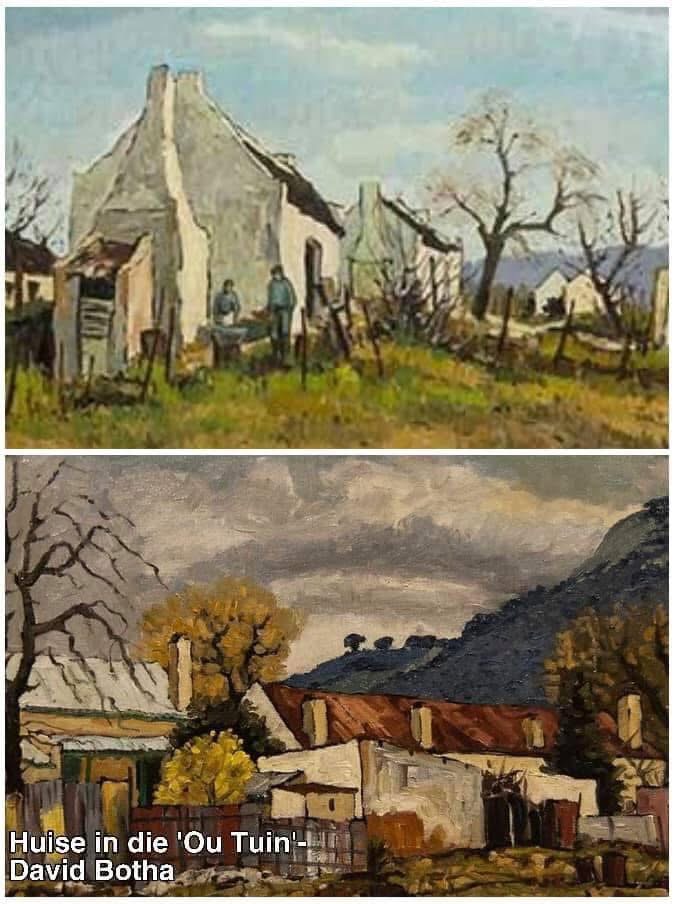
Situated on the western side of the Berg River, near today’s municipal buildings, Ou Tuin included familiar streets such as Breda, Weiss, New and Du Toit. Its name is linked to the old parsonage garden, on land that later became a residential neighbourhood.
This was Die Ou Tuin.
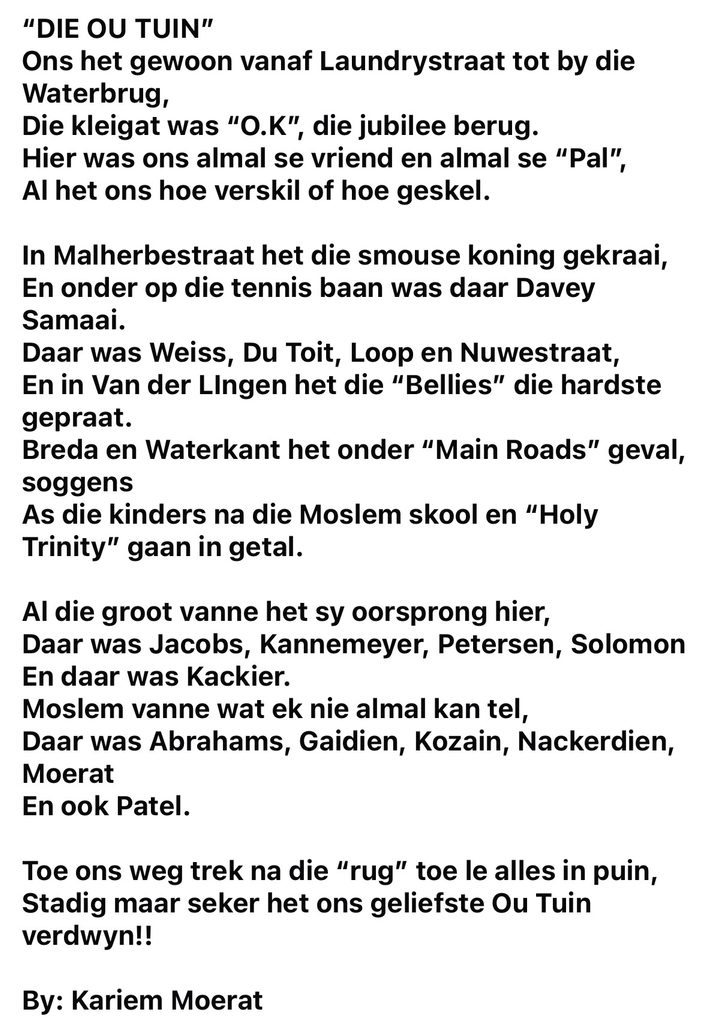
It was a multicultural, multireligious and multiracial community, remembered for people living together in harmony, sharing in one another’s traditions and celebrations. Different backgrounds and beliefs formed part of the neighbourhood’s everyday life.
Among its important landmarks was the Breda Street Mosque, Paarl’s first mosque, built in 1888. Alongside the area’s other places of worship and schools, it formed part of the community’s spiritual and social life.
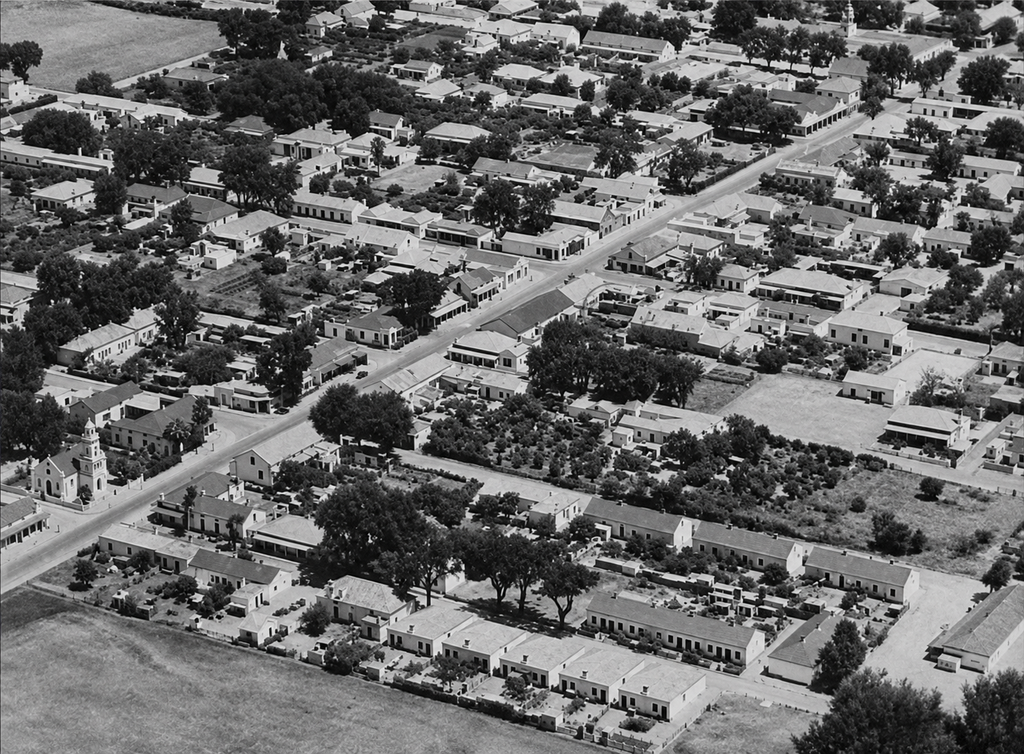
Family-owned shops were part of everyday life in Ou Tuin, where residents bought their groceries and daily essentials from familiar faces behind the counter.
Education also formed an important part of the community. Children attended Holy Trinity Primary School, on the corner of Du Toit and Derksen streets, and many later continued their schooling at Noorder-Paarl High School.
Weekends brought another treasured tradition: Die Kraal, where sport and community activities drew crowds of people. Residents gathered to watch, support and enjoy the various sports and activities—a meeting place that became part of the rhythm of community life.
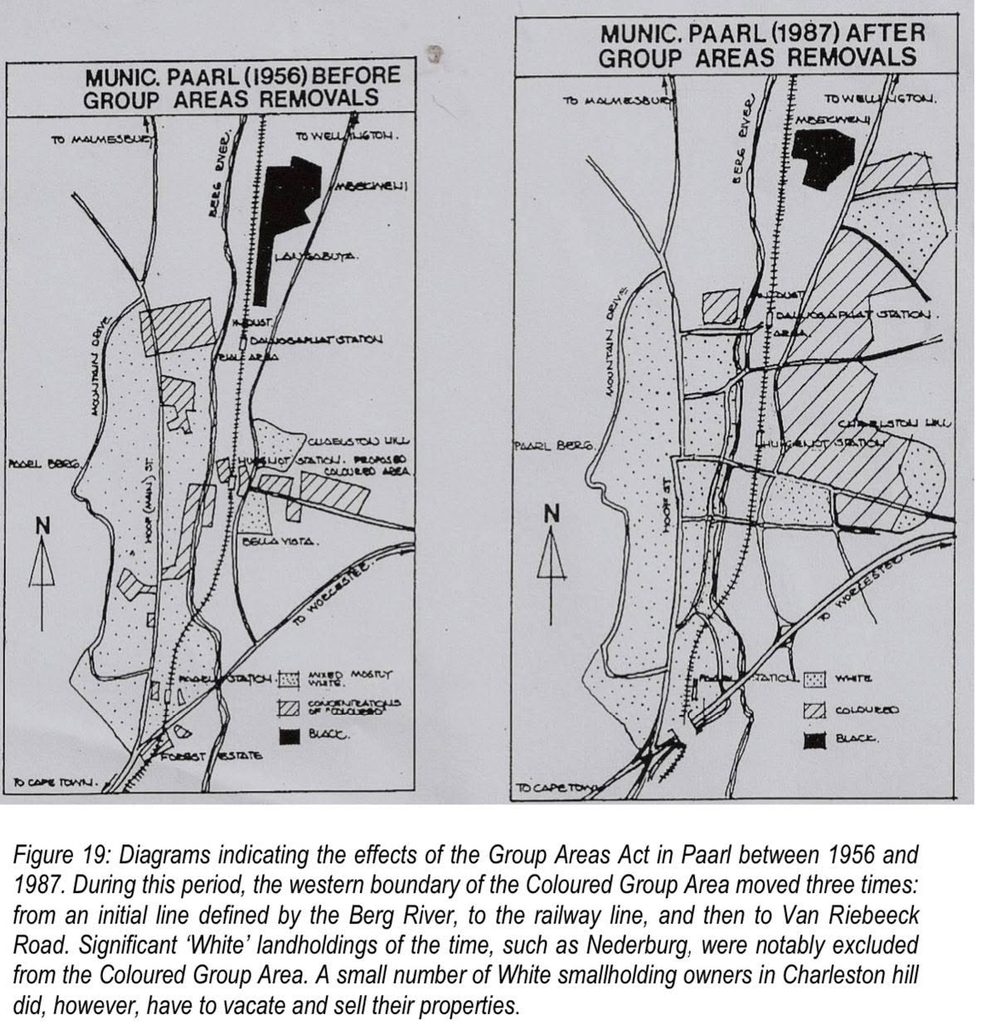
Then apartheid’s Group Areas Act tore this neighbourhood apart.
During the 1960’s families who had lived in Ou Tuin, and other areas in Paarl, for generations were forcibly removed and displaced to other areas, disrupting the community and destroying homes and local ties.
Families were relocated to areas including Amstelhof, Lantana, Charleston Hill and the area near Die Stoepe. Homes were demolished, neighbours were separated, and familiar streets became places people could no longer call home.
We were very fortunate to be able to interview a few of the residents who grew up in the Ou Tuin, to paint a picture of what life was like living in the Ou Tuin. We will post these as a series over the next few days.
#proudlypaarl
#historyofpaarl