

Imagine standing in Paarl in the year 1700. What would you have seen?
No Main Road lined with shops. No schools, no town centre, no busy streets. Just the magnificent Paarl Mountain, the Berg River, fertile land, scattered farms, vineyards beginning to grow and a handful of simple farmhouses and outbuildings. This was Paarl at the beginning of the 18th century. So how did a small farming settlement develop into a town?
The First Water Mill
One of the earliest developments in Paarl was a water-powered grain mill, traditionally dated to 1699, near what we know today as Meul Street. Although established just before the beginning of the 1700s, the mill represents an important step in the development of the settlement. As wheat farming expanded, farmers needed a way to grind their grain into flour. Water from the mountain streams could be channelled to turn the mill’s machinery, making grain processing easier than grinding by hand.
The mill also reminds us how important the mountain’s water supply was to the early settlement. Long before electricity, water was already helping to power Paarl’s developing economy.
The First Church
One of the most significant developments was the establishment of a permanent church in Paarl. On 2 June 1720, a new church was inaugurated in Paarl, near the site of today’s famous Strooidakkerk. This was a major milestone. The church became a gathering place for families spread across the valley and helped establish the centre around which Paarl would grow.
The Farms Become Estates
Throughout the 1700s, the farms established during the previous century continued to develop. Wine production, wheat cultivation and livestock farming expanded. More substantial Cape Dutch homesteads, wine cellars, barns and other farm buildings began replacing some of the earlier, simpler structures. Many of the beautiful Cape Dutch gables we still see today are reminders of this period.
The Birth Of Paarl’s Tradesmen
As farming expanded, so did the need for skilled craftsmen. Blacksmiths, carpenters, millers, wheelwrights and wagon builders became increasingly important to the local economy. Wagons were essential for transporting agricultural produce, supplies and people across the Cape Colony. The growing demand for transport helped lay the foundations for what would eventually become one of Paarl’s most famous industries — wagon manufacturing.
By the following century, Paarl and the surrounding valley would become renowned for their wagon-building businesses.
Main Road begins to take shape
The route through the valley gradually became an important connection between farms, the church, neighbouring settlements and the interior. What we know today as Paarl Main Road developed along this route. As the settlement grew, more houses, workshops and buildings appeared along the road, slowly transforming what had been a rural farming landscape.
Today, Paarl’s exceptionally long Main Road remains one of the town’s most recognisable features and the longest main road in SA.
Buildings from the 1700s
We went looking for surviving buildings and dates from this century. Although very few photographs exist from the 1700s, several historic buildings and their gables still provide a fascinating glimpse into Paarl’s past.
Some of the dates and landmarks associated with this period include:
1720 – Paarl’s first church inaugurated near the present Strooidakkerk.- later moved to another property
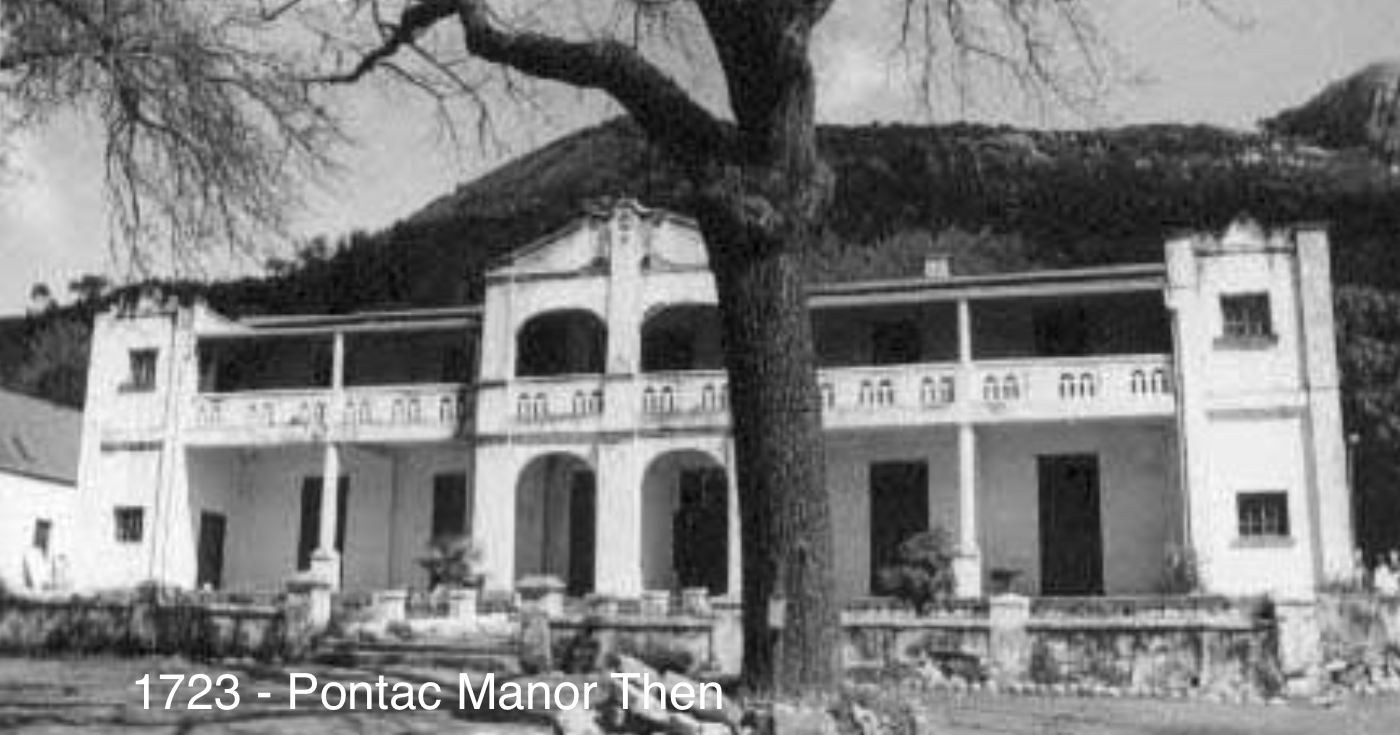
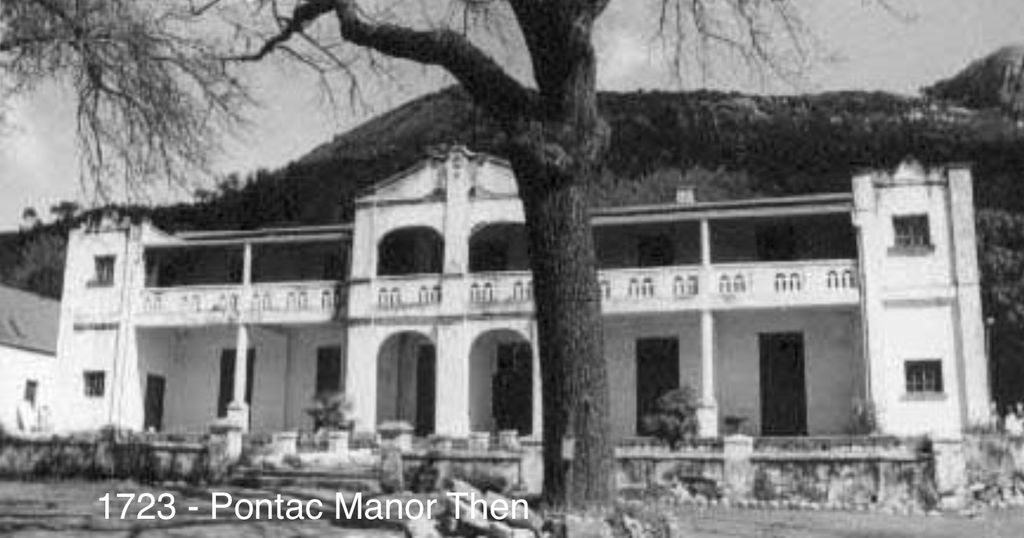
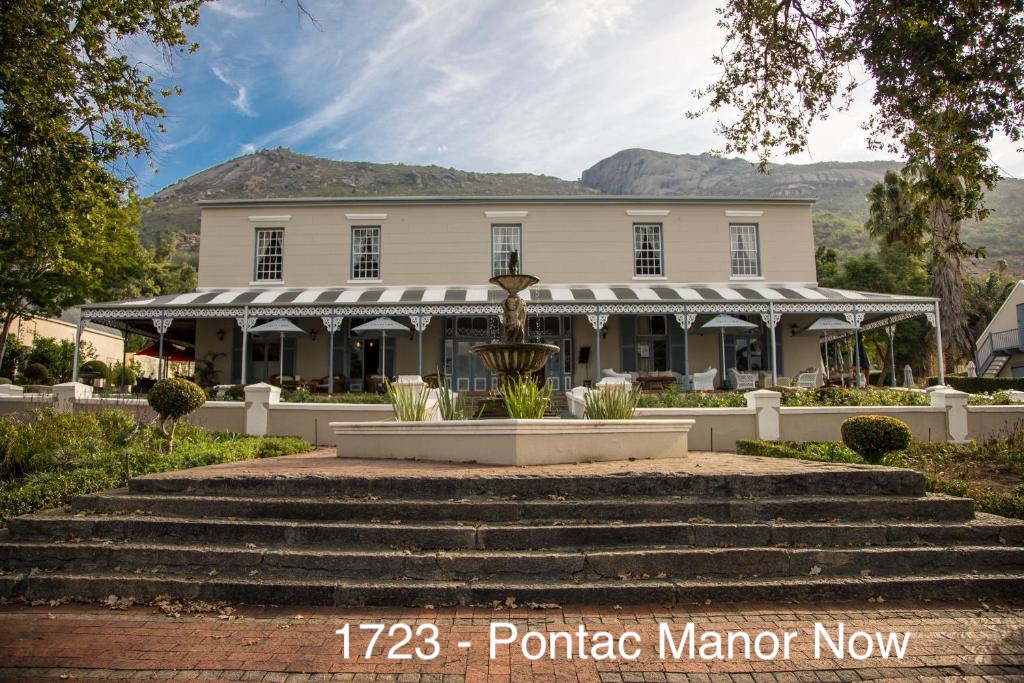
1723 – Pontac Manor, associated with Paarl’s early Cape Dutch architectural heritage.
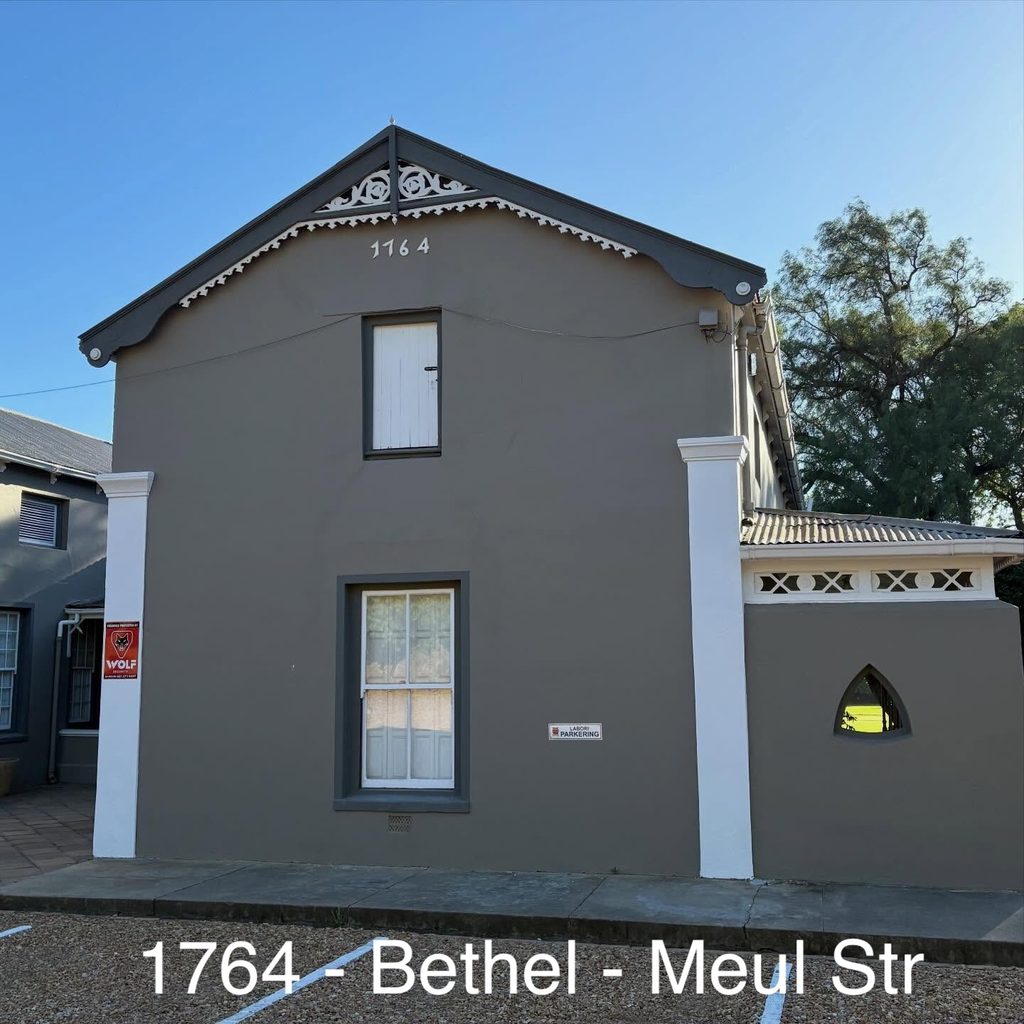
1764 – The historic Bethel building in Meul Street – Paarl’s oldest building
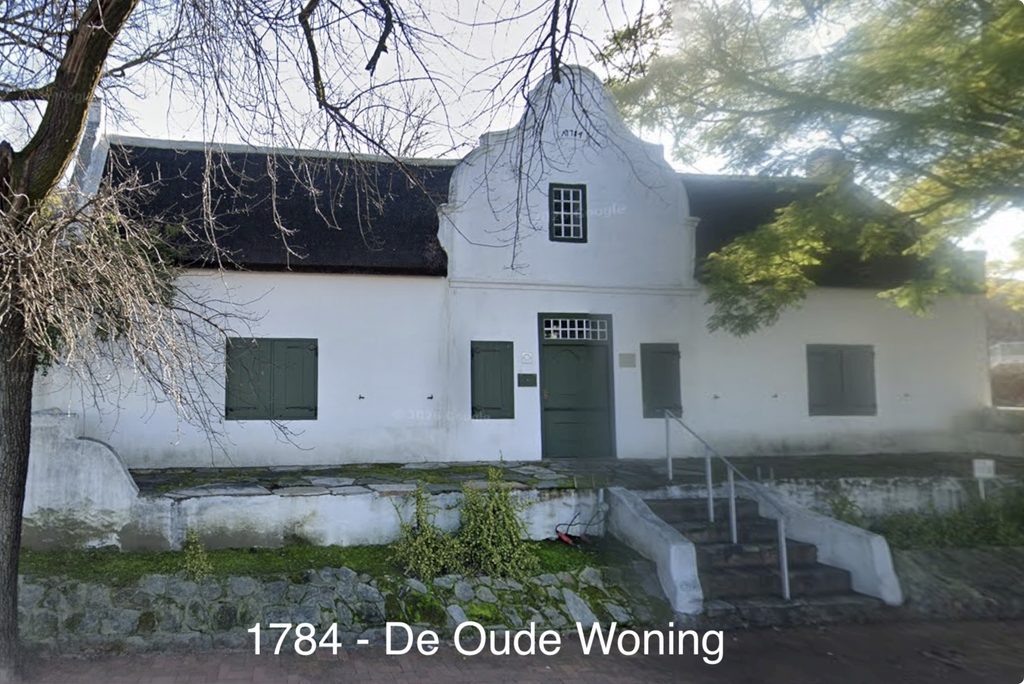
1784 – De Oude Woning, now the Paarl Tourism Centre
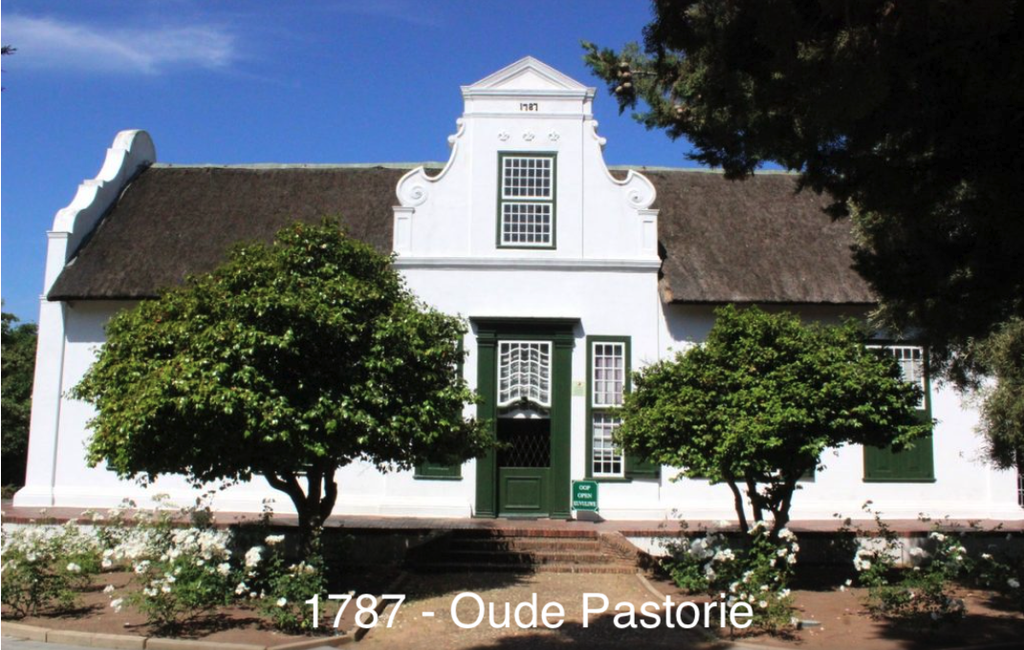
1787 – Oude Pastorie, now home to the Paarl Museum.
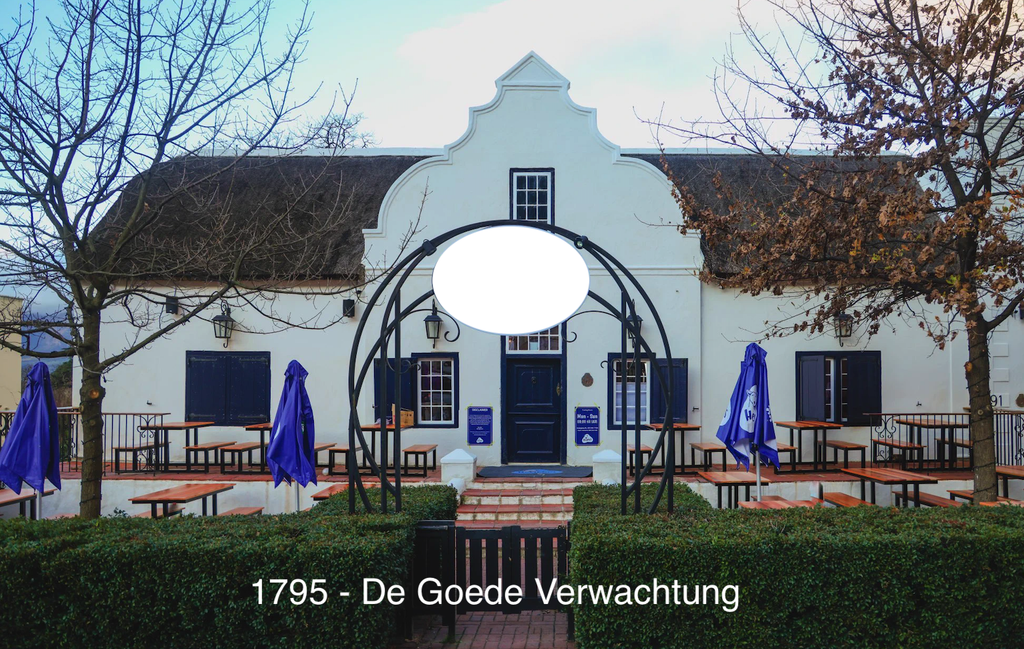
1795 – De Goede Verwachting, now Hennies
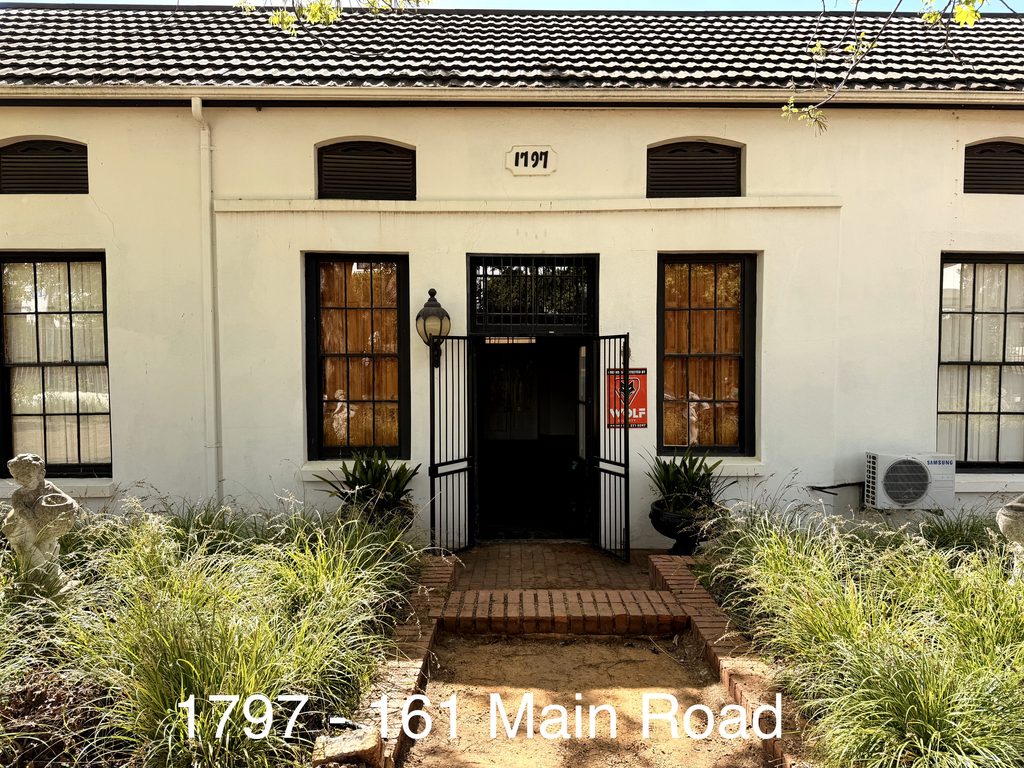
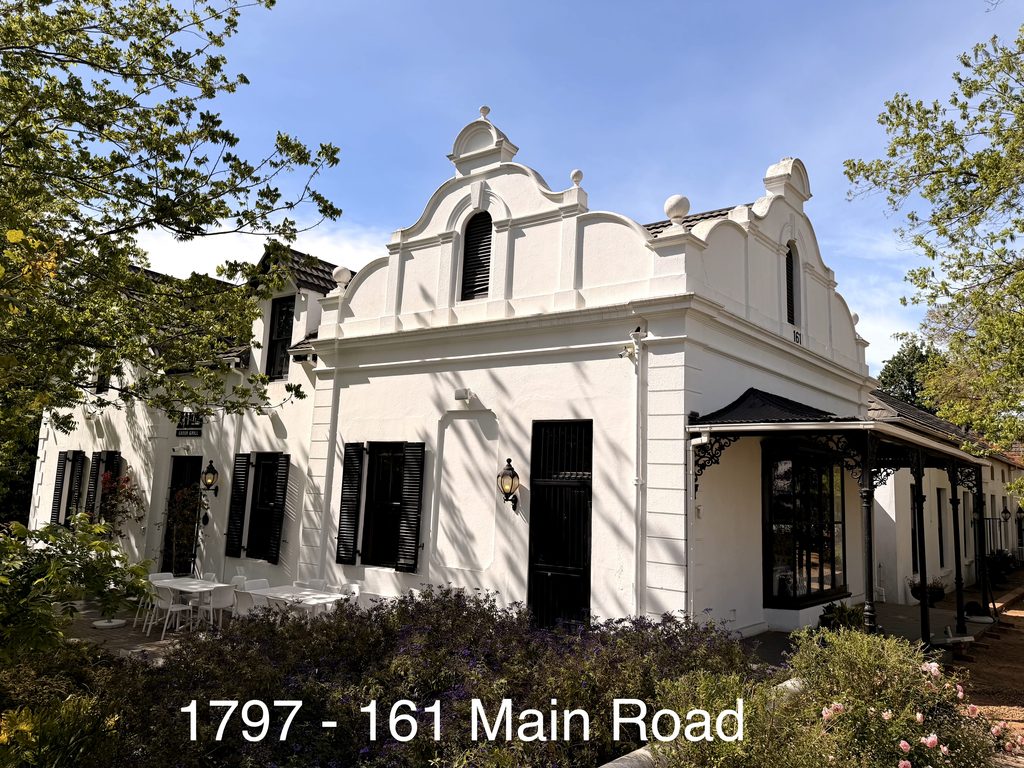
1797 – 161 Main Road now Zuus Restaurant
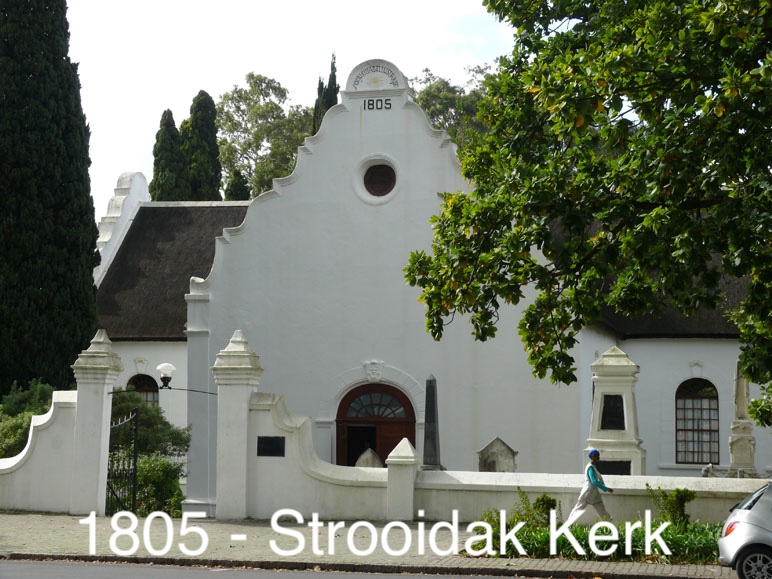
In 1799, plans were made for a larger church to accommodate the growing congregation. The present Strooidakkerk was inaugurated on 28 April 1805 and remains one of the oldest church buildings in South Africa still used for worship.
Historic Water Well
One fascinating reminder of how people lived centuries ago can still be found behind Huis Vergenoegd at 188 Main Street. Here stands a historic domed water well, believed to date from the late 1700s. According to a local historical account, the well once served as a water source for residents of Paarl. And here is the interesting part!
It is said that a bell was rung at 5 pm to signal that residents could come and collect water.
Imagine living in Paarl more than 200 years ago, hearing the bell ring and making your way to the well to collect water for your household!
By 1800, Paarl looked very different from the small farming settlement of a century earlier. The valley had developed into an established agricultural community with vineyards, wheat fields, livestock farms, churches, workshops, mills and an increasingly important road through the settlement.
Its population included descendants of Dutch and French settlers, Khoikhoi inhabitants, and enslaved people from Africa and Asia.
Paarl was no longer simply a collection of farms. The foundations of a town had been laid.
And the most dramatic changes were still to come!
NEXT WEEK: PAARL 1800–1900
The 19th century would transform Paarl into an important commercial, agricultural and industrial centre.
Wagon factories, new churches, schools, businesses and industries would change the town’s appearance. Paarl would also become an important centre in the development of Afrikaans and South Africa’s political and cultural history.
Next week we explore the century in which Paarl truly began to flourish!
Help us uncover Paarl’s History!
This is a community history project, and we would love your help in uncovering more of Paarl’s past! If you have old photographs, drawings, historical documents or information about buildings, farms, families or life in Paarl during this period, please share them in the comments. Perhaps you have a photograph of an old building with a date on its gable, or know something about a historic property that others may not. Every contribution helps us piece together the fascinating history of our town and preserve it for future generations.
#proudlypaarl
#historyofpaarl