

Throughout October, in celebration of Founders Month, we have been exploring Paarl’s history, from the first European farms to the development of the town we know today.
But there is an important part of Paarl’s history that goes back much further than 1687.
Before Abraham Gabbema arrived in 1657, and long before the first Dutch and French settlers established farms along the Berg River, indigenous communities were already living in and moving through the Paarl and Drakenstein valleys.
So who were these people, and what happened to them?
The earliest inhabitants
Archaeological evidence shows that people occupied the broader Drakenstein region for thousands of years. Stone tools, original rock art found nearby Wemmershoek and Bainskloof, and other archaeological remains provide evidence of early hunter-gatherer communities.
Approximately 2,000 years ago, Khoekhoe pastoralist communities also became established in the Western Cape.
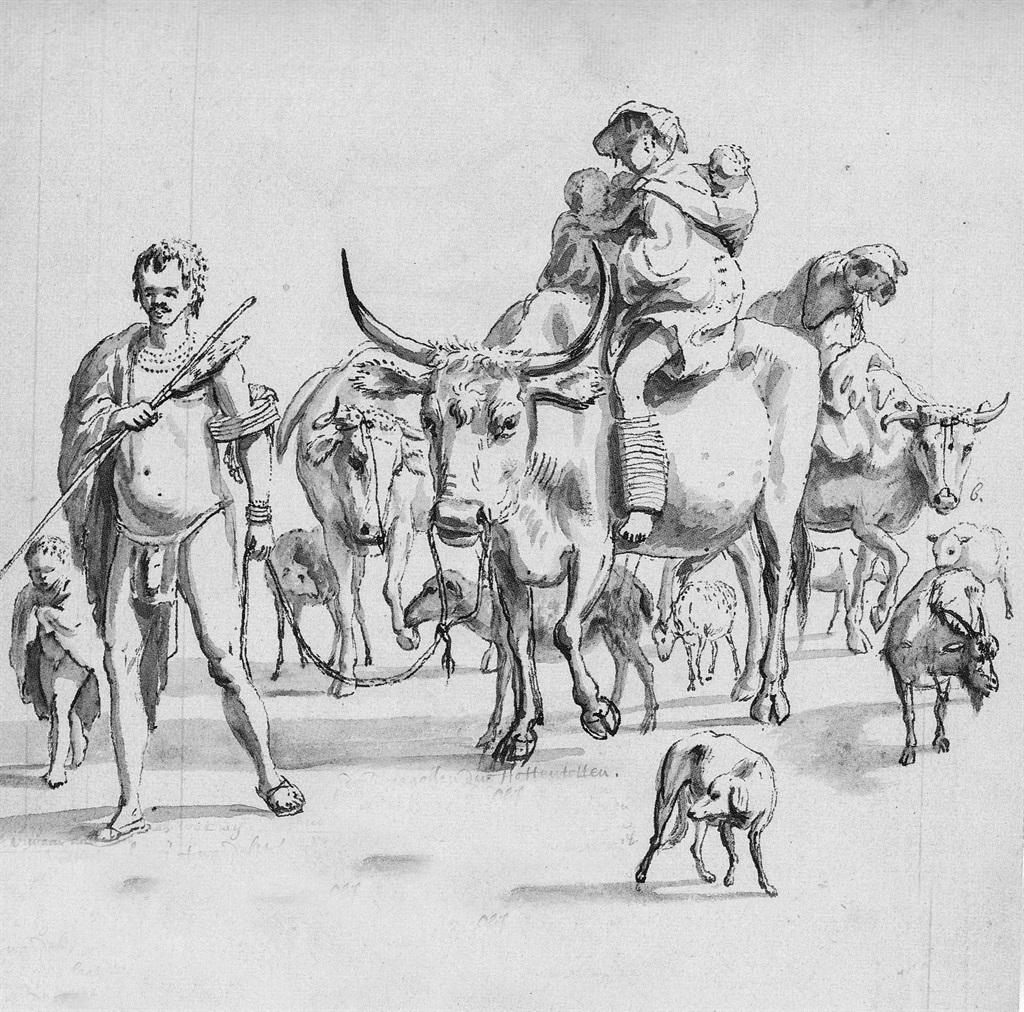
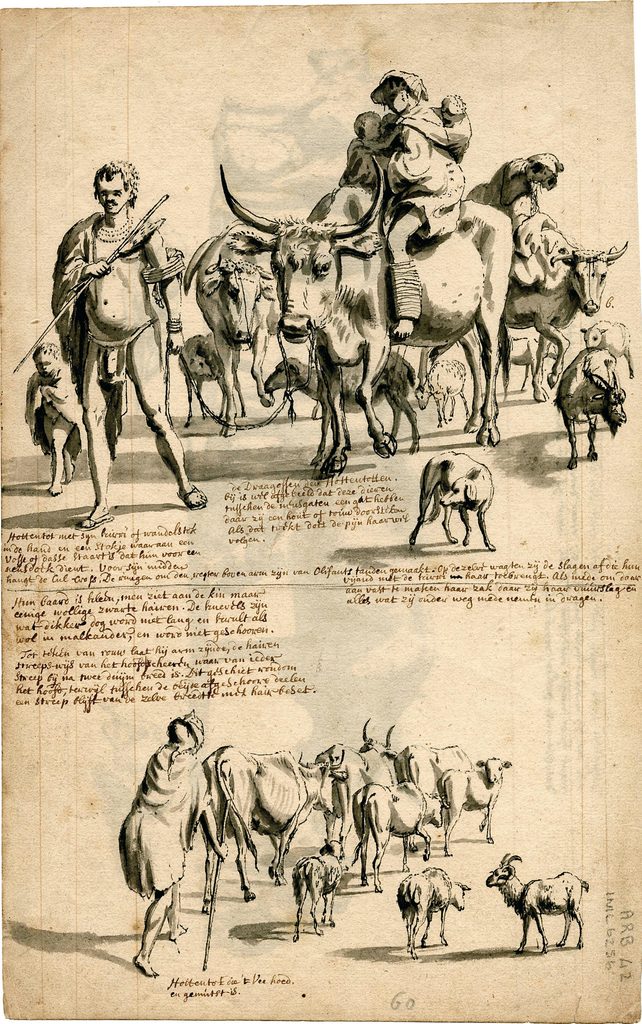
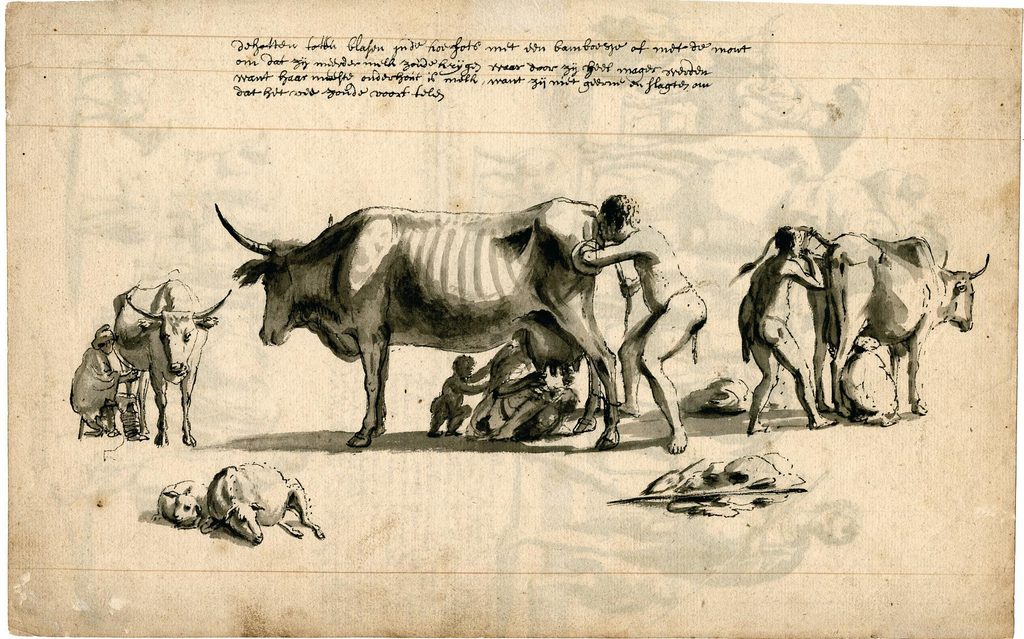
Unlike the European farming system that would arrive centuries later, Khoekhoe communities traditionally moved with their cattle and sheep between seasonal grazing areas, following available water and pasture.
The Berg River Valley, with its fertile land, water and grazing opportunities, formed part of this landscape.
Who were the Khoikhoi of Paarl?
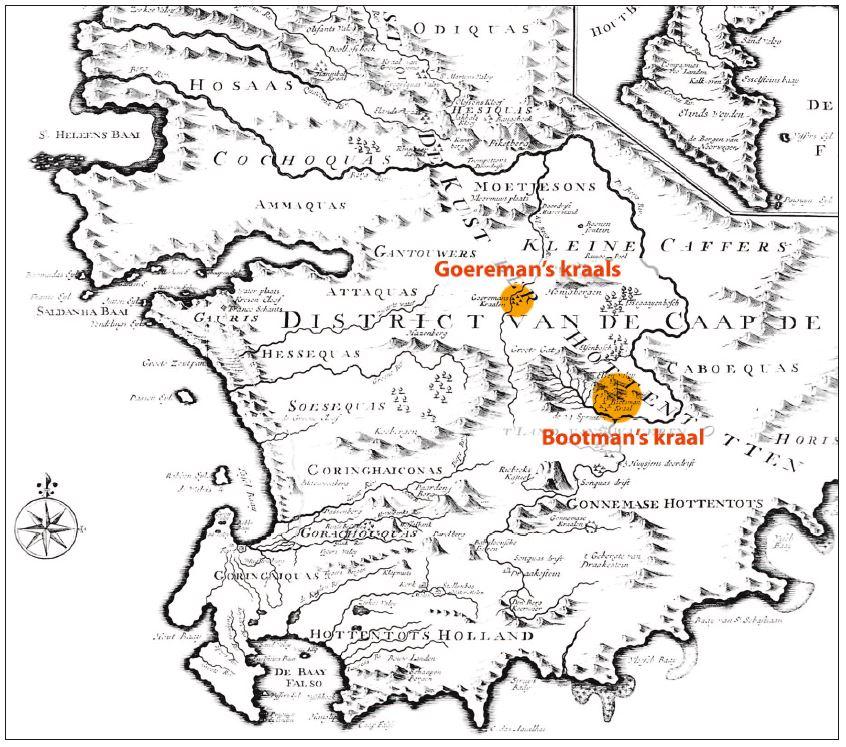
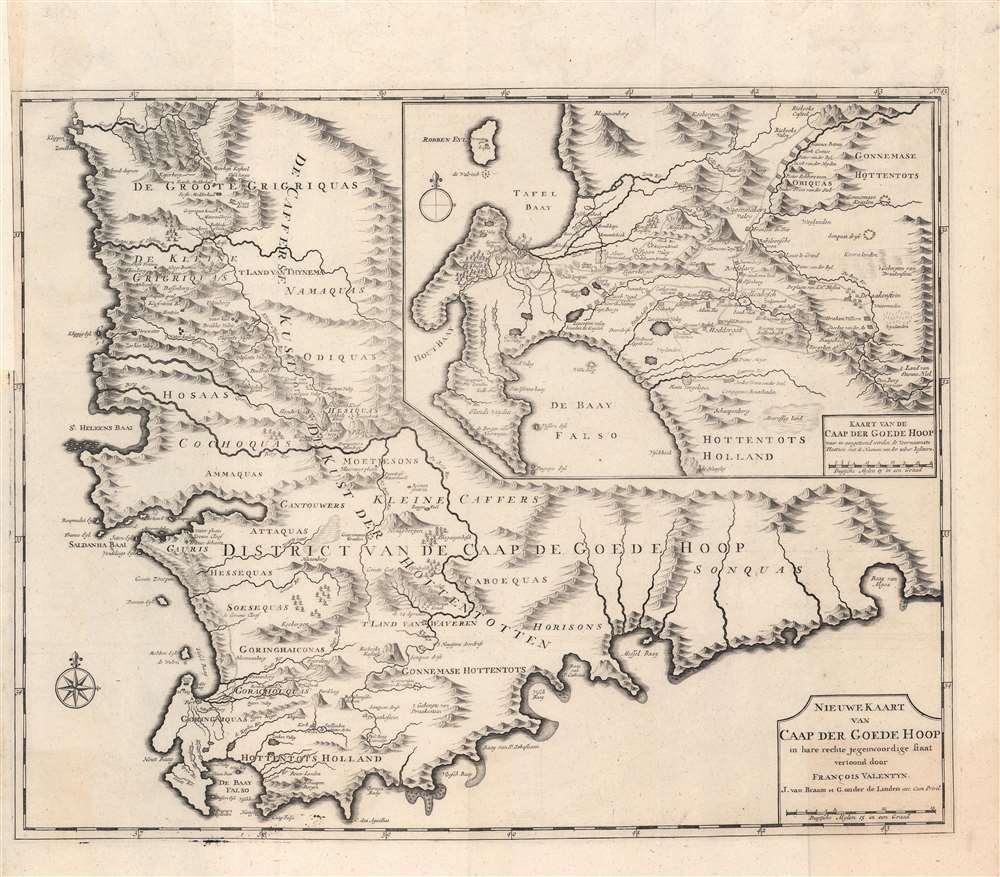
Historical research identifies the Cochoqua and Chainouqua among the Khoekhoe communities associated with the broader Drakenstein region.
The Cochoqua were a powerful cattle-owning community whose grazing territory extended across a large part of the western Cape.
Two leaders whose names appear in historical records are Gonnema and Oedasoa. Their communities were associated with areas around present-day Riebeek-Kasteel and Paardeberg.
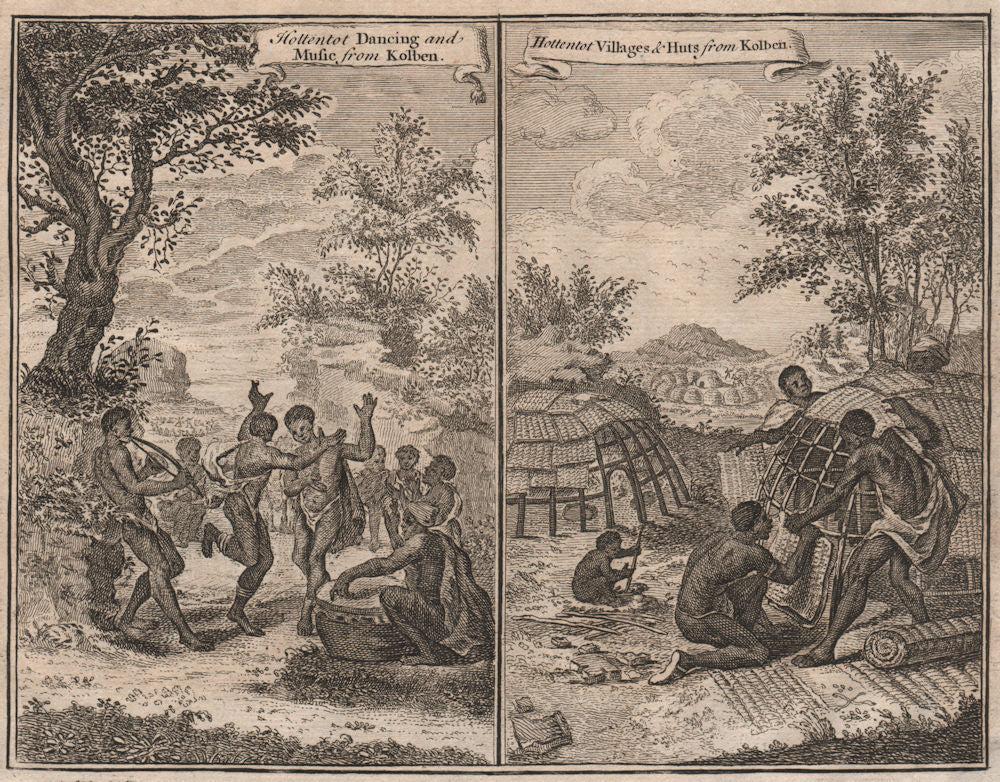
These were organised communities with livestock, leadership structures, trading relationships and established ways of using the land.
What happened when the Dutch arrived?
In 1657, Abraham Gabbema travelled into the valley on an expedition seeking cattle to trade with the Khoekhoe.
During this journey, he recorded the granite formations that would eventually give Paarl its name.
But while this marks an important moment in Paarl’s recorded colonial history, it was certainly not the discovery of an uninhabited valley.
As the Dutch East India Company expanded its settlement beyond Table Bay, competition over cattle, water and grazing land increased.
Between 1673 and 1677, conflict between the Dutch and the Cochoqua formed part of what became known as the Second Khoikhoi-Dutch War.
The Cochoqua suffered significant losses of livestock and political independence, weakening their ability to resist further colonial expansion.
Then, in 1687, land in the Drakenstein Valley was allocated to European settlers, followed by the arrival of French Huguenots from 1688.
Land that had previously formed part of indigenous grazing territories was increasingly divided into privately held colonial farms.
What became of the Khoikhoi?
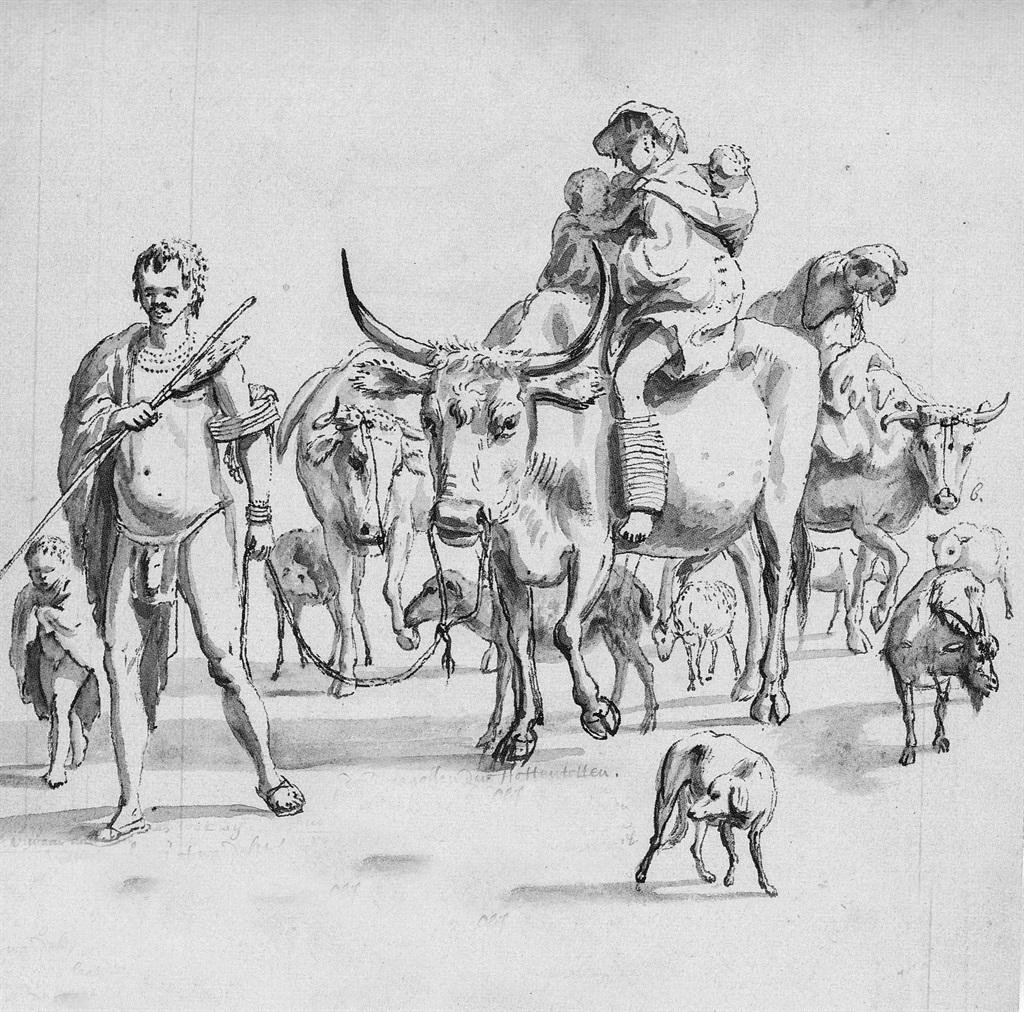
The Khoikhoi did not simply disappear.
Some communities moved away from expanding colonial settlements, while others remained in the region and increasingly became part of the agricultural labour force.
During the following century, further land dispossession, loss of livestock, disease and colonial labour practices would dramatically change indigenous life in the valley.
Their descendants remain part of the history and communities of the Western Cape today.
An important part of Paarl’s story
When we speak about Paarl’s beginnings in 1687, we are referring to the establishment of farming settlement, not the beginning of human occupation in this valley.
As part of our Founders Month research, we recently obtained a copy of the book Paarlvallei 1687–1987, published to commemorate 300 years of European settlement.
Interestingly, a review published in 1989 questioned the limited attention given to the indigenous inhabitants of the valley.
This is a reminder that historical research continues to develop as new perspectives, records and evidence are examined.
Next, we continue our journey through the 1700s, looking at the historical buildings and landmarks that remain from this period.
#proudlypaarl #paarl #historyofpaarl